THEMATIC AREAS
Everything we do is connected. A girl in school becomes a woman who earns. A woman who earns does not accept violence to survive. A community free from violence advocates for itself. An advocating community shapes the NDP IV priorities that govern all of the above.
Social Protection
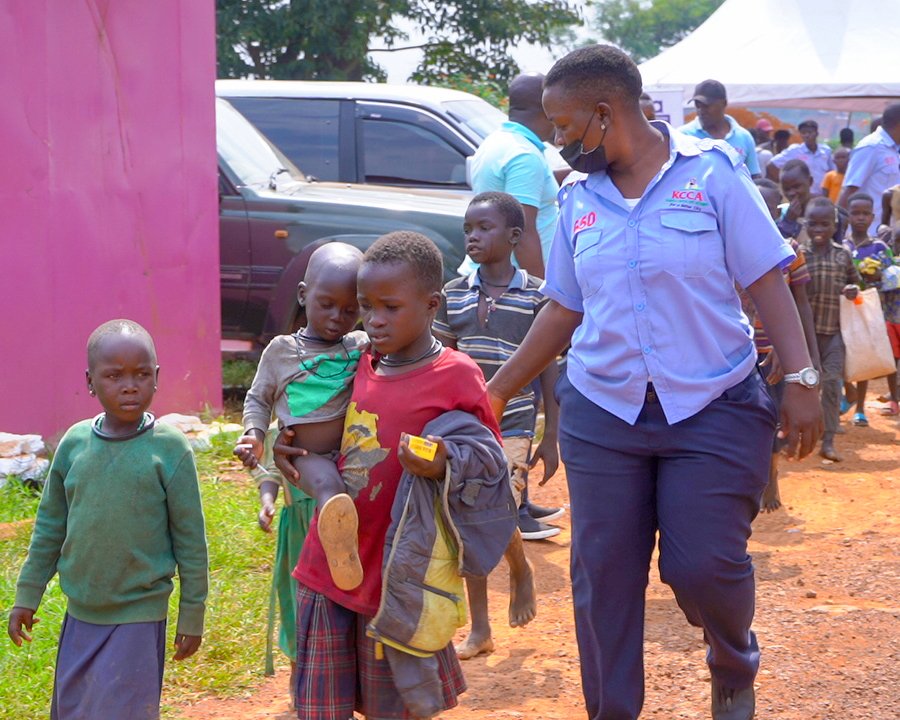
In Uganda, 1 in 3 women has experienced intimate partner violence. Children on Kampala's streets number in the thousands. The Children's Act, the KCCA Child Protection Ordinance 2022 and Uganda's National GBV Policy all call for systemic protection. CAPAIDS is where those policies meet the street.
We create safe spaces, deliver psychosocial and legal support, conduct GBV prevention with communities and support children in conflict with the law. In 2022–23, we helped rescue 168 children off Kampala's streets and supported 24+ juvenile cases through the courts.
Education
In Lira, Kole and Kampala's margins, thousands of children are absent from school not because they do not want to learn, but because their families cannot keep them there. Girls missing school due to menstruation. Orphans without fees. Refugees without exercise books.
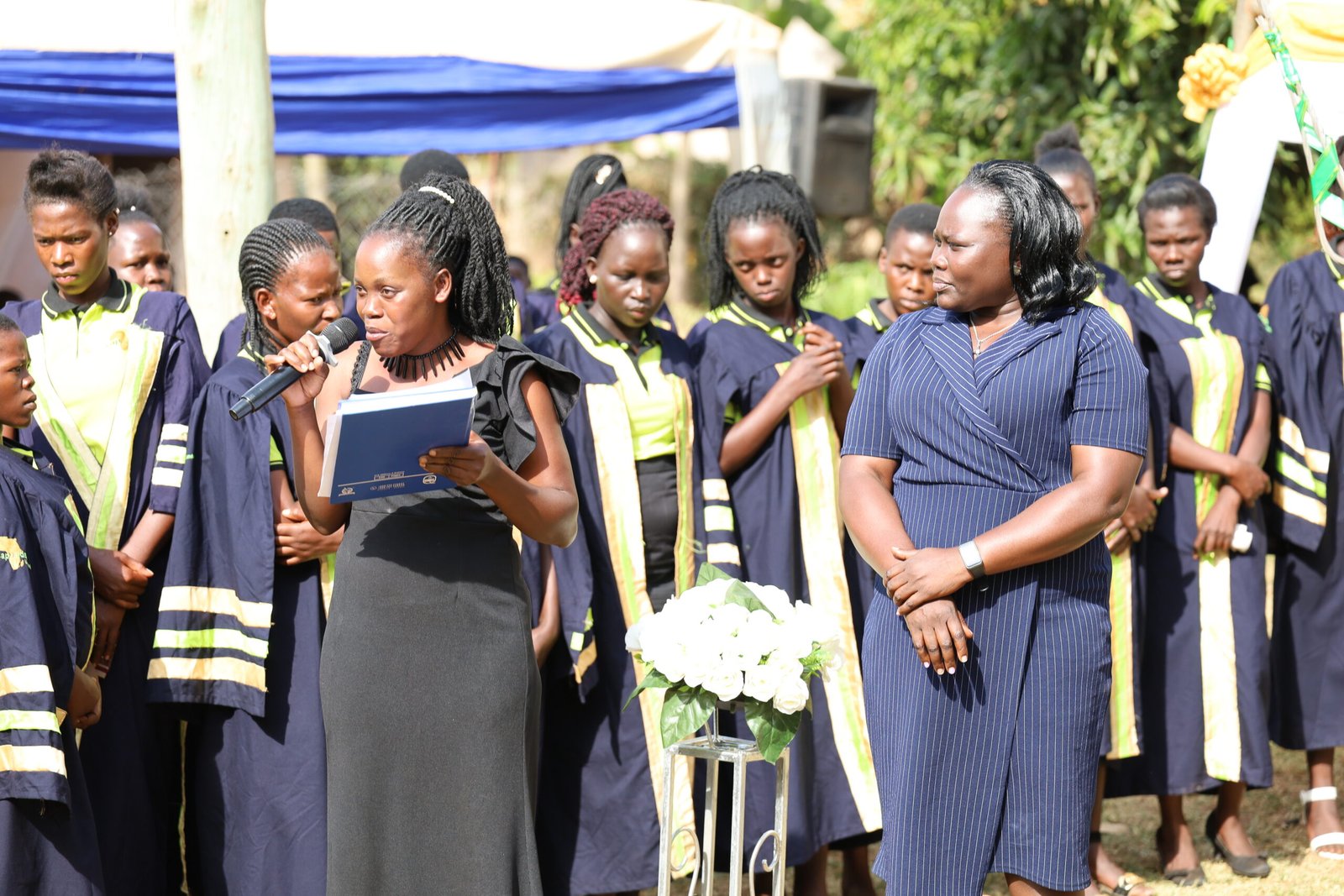
Over two programme years, we helped 140 vulnerable children from 8 rural schools transition to higher education levels, provided materials to 700 children, distributed reusable sanitary pads to 560 girls, donated 50 desks and renovated classrooms in Lira.
Livelihoods & Socio-Economic Empowerment
Rural poverty in Northern Uganda sits at 27.7% (UBOS 2023/24). Youth unemployment is 16.1% nationally, with 50.9% of young people not in employment, education or training (UNDP, 2024). For women especially, the absence of savings, skills and credit keeps families trapped across generations.
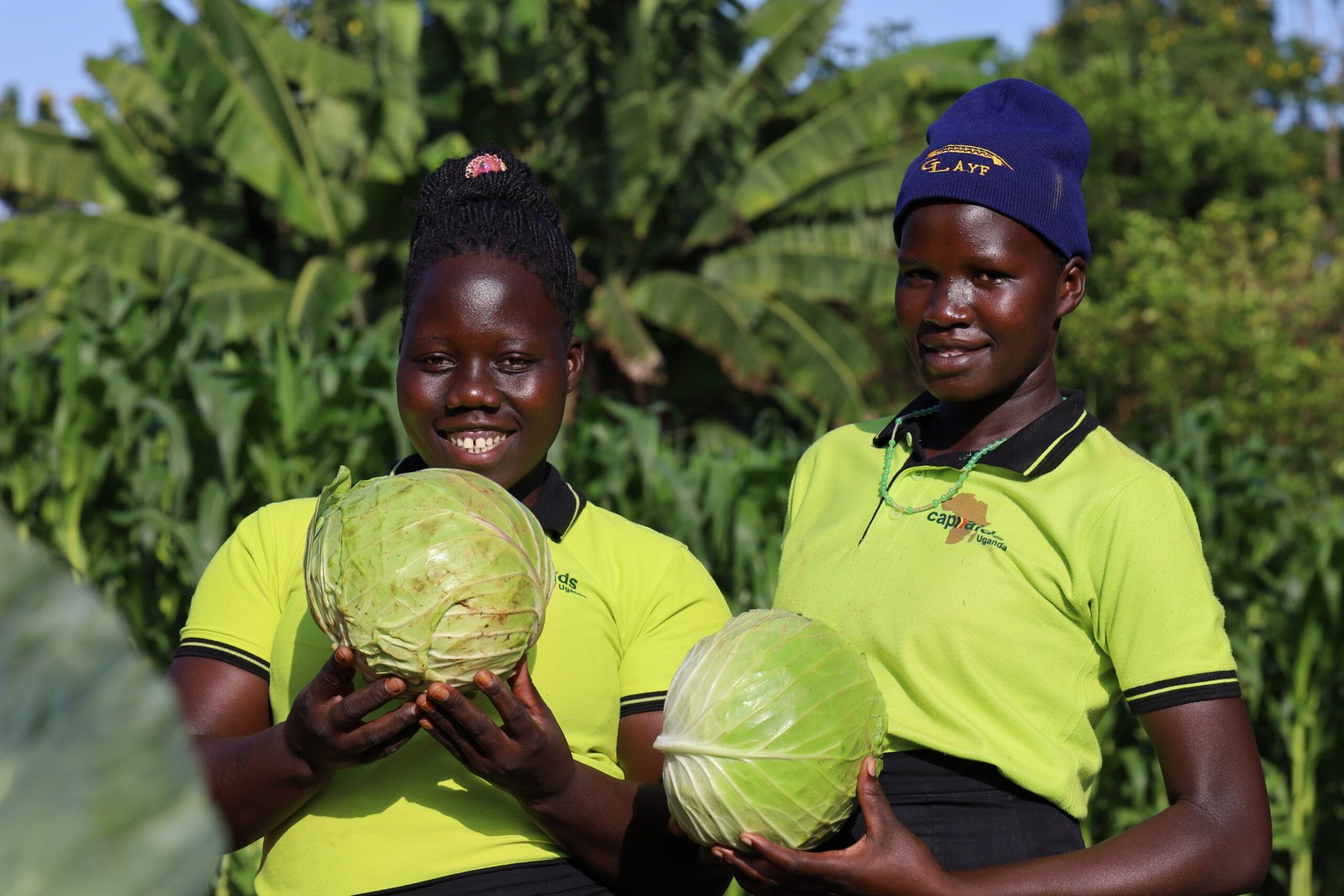
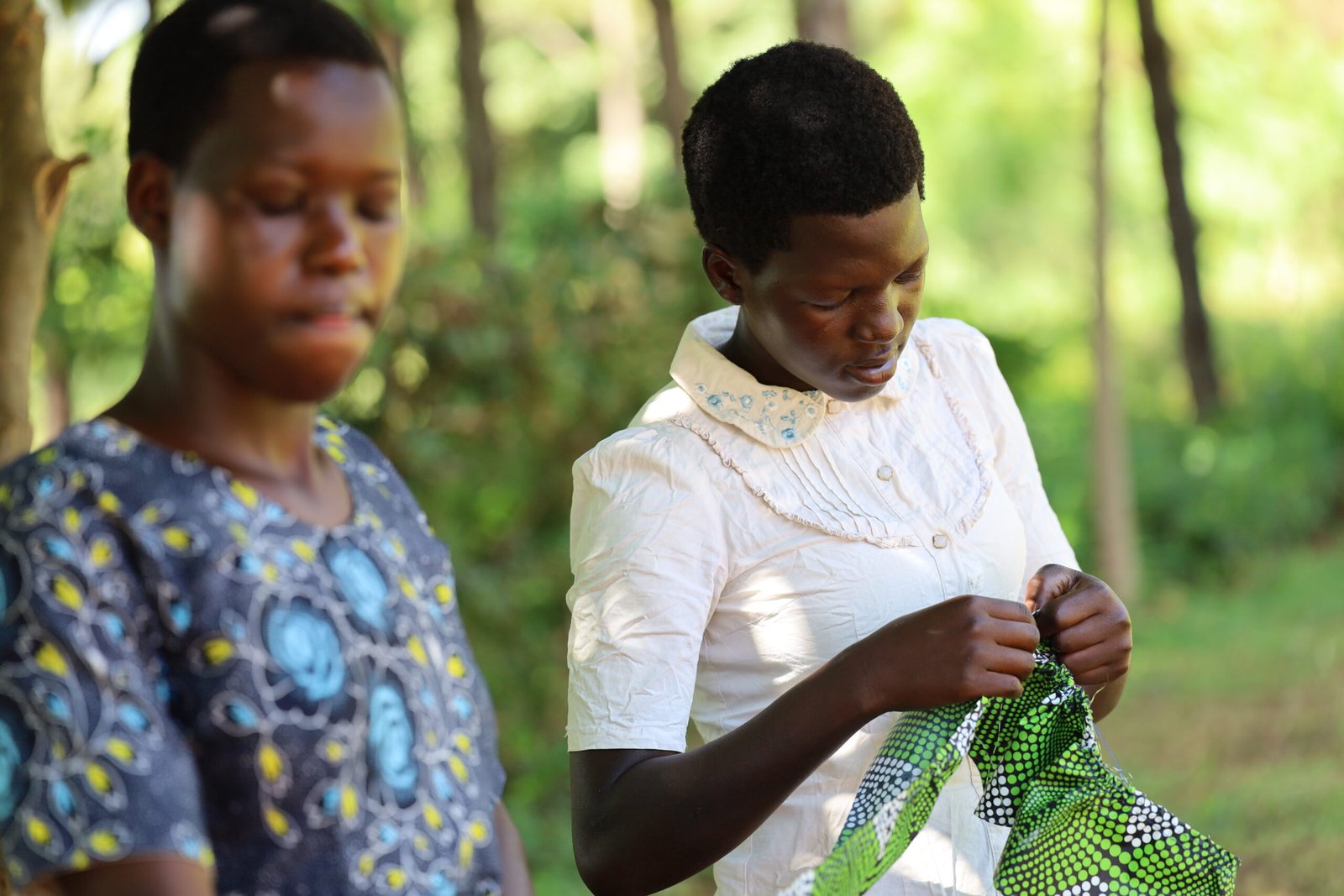
Our livelihoods work builds sustainable economic resilience through Self-Help Groups, social enterprises, vocational training and cash-based interventions. In 2025, two SHGs in Boroboro mobilised UGX 22.9 million.
Health: SRHR & Basic Health
1.4 million Ugandans live with HIV. Women are nearly twice as likely as men to contract it. Uganda's adolescent birth rate stands at 111.4 per 1,000 girls aged 15–19. In Boroboro, we partner with Boroboro Health Centre III to deliver 6 SRHR health trainings per cohort and provide Menstrual Hygiene Management support to 450+ girls across 8 partner schools.
The Digital SRHR Safe Space under construction at the Friesen Harvey’s HoH is a statement: that every girl in Boroboro deserves access to health information without fear, stigma or a 10km walk to the nearest clinic.
Humanitarian Response
When crisis strikes, the first responders are never the international agencies. They are community members who open their doors before any convoy arrives. CAPAIDS has responded to COVID-19 shocks, displacement, refugee inclusion and the ongoing effects of climate shocks across Uganda.
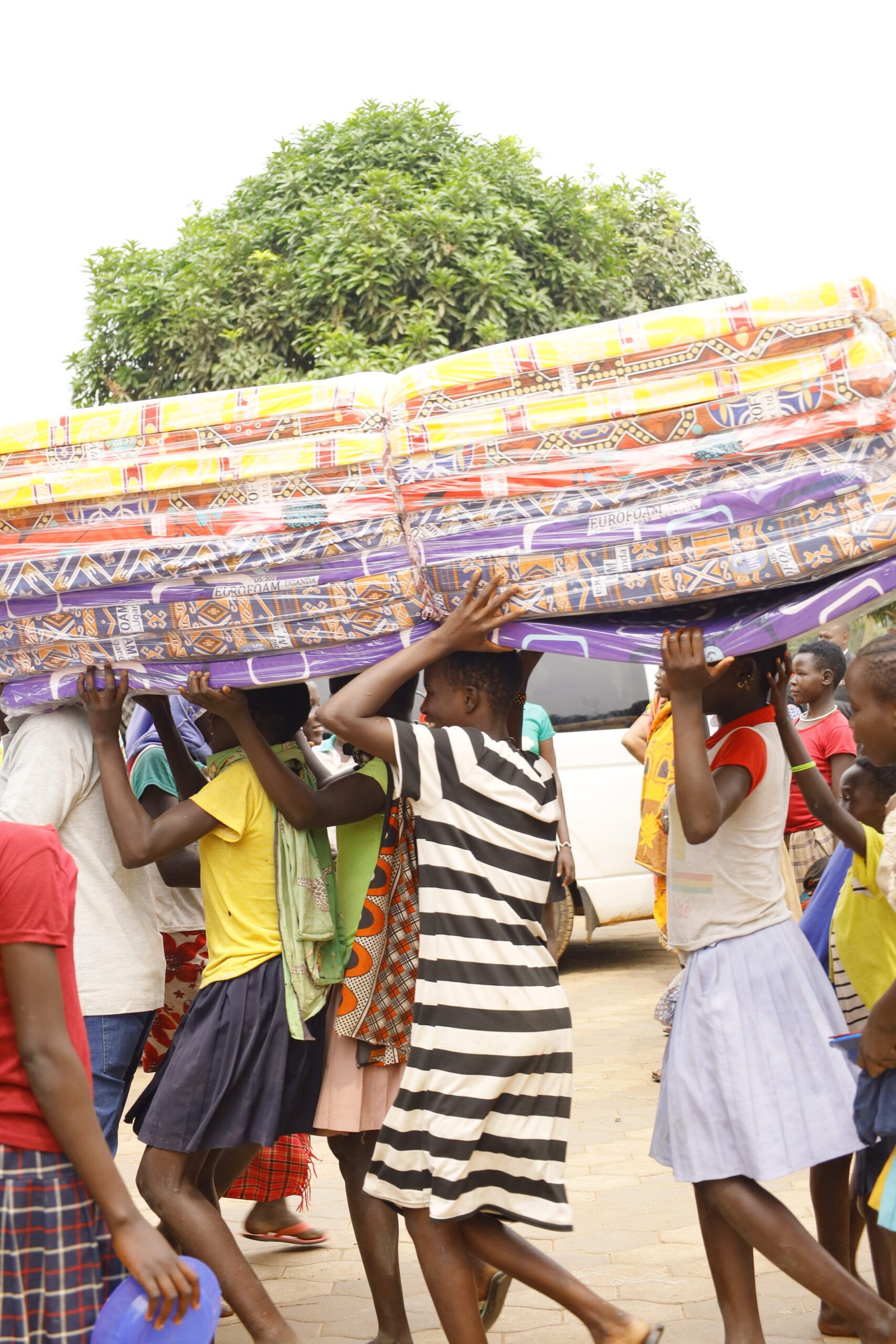
In 2022–23, we supported 305 households with cash transfers. We distributed 200 mattresses and 150 blankets to street children at Masulita Children's Home. The OCHA Humanitarian Reset (2025) calls for devolving power to local responders and CAPAIDS has been a local first responder since 2007.
Organisational Strengthening & Strategic Partnerships
Only 23% of local and national actors in Uganda receive multi-year funding. 68% lack internal cost recovery mechanisms. The organisations closest to communities are systematically under-resourced by a global development architecture not built with them in mind.
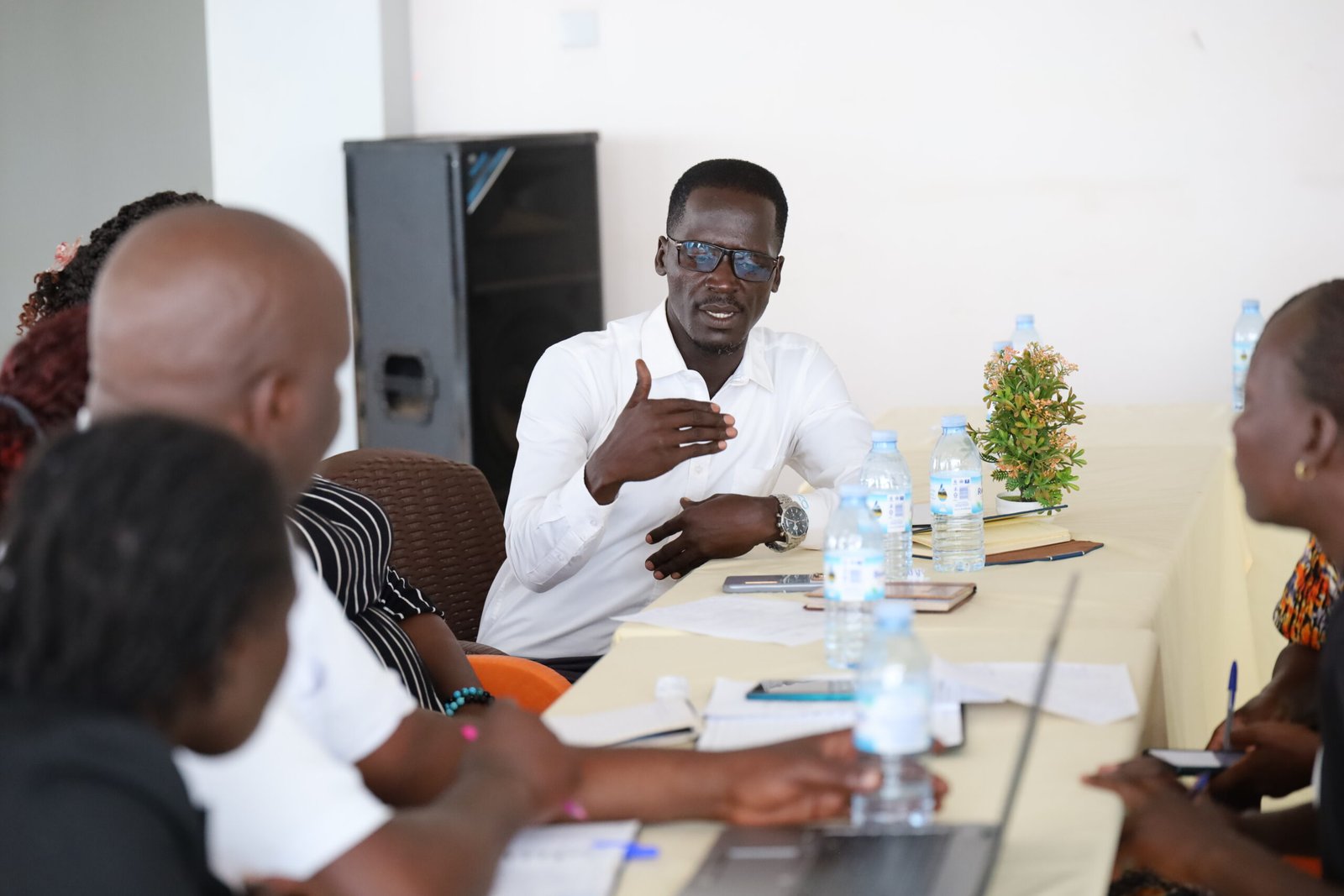
As National Convenor of the Local Leadership Labs (CIVICUS) and Secretariat to the Local Coalition Accelerator (13 LNGOs), CAPAIDS produces evidence, builds coalitions and advocates for the systemic reform that locally-led development demands. We have participated in the UN CSW, Charter for Change Working Group, EU Humanitarian Forum and CEDAW/UPR processes.