Past Projects & The Impact We Built
Every completed project is a foundation: proof that compassionate, community-rooted action delivers lasting change.
Home-Based Care for People Living with AIDS
In the districts of Lira, Wakiso and Kampala, thousands of people living with AIDS were too ill to access clinic-based care. Stigma, immobility and poverty kept them invisible to the health system often spending months or years bedridden without medical attention, counselling or basic human contact.
CAPAIDS deployed trained community health workers directly into households, providing clinical nursing care, ART adherence counselling, nutritional support and psychosocial companionship. The programme's philosophy was simple: meet people where they live, not where clinics are convenient.
Medical care, counselling and dignity delivered door-to-door across three districts restoring personhood to those the system had forgotten.
Safe Delivery & Motherhood Programme
Rural mothers in Agwata sub-county faced some of Uganda's highest maternal mortality risks: low antenatal attendance, unfamiliarity with danger signs in pregnancy, and deep barriers to HIV testing among expectant women. Home deliveries without skilled attendance were common, often resulting in preventable deaths.
CAPAIDS ran structured community education sessions across Agwata villages, equipping mothers and families with knowledge on safe delivery practices, antenatal care, obstetric emergencies and voluntary HIV testing during pregnancy. Local volunteers were trained and linked to health facilities for continuity of care.
Hundreds of rural mothers educated on safe delivery, maternal HIV and care-seeking knowledge that protected lives long after the programme closed.

Bicycle Distribution Programme
In remote communities across Uganda, the last mile of HIV/AIDS care was being lost to distance. Community health volunteers the backbone of CAPAIDS' outreach model were travelling on foot for hours to reach clients, limiting how many households a single volunteer could realistically serve each week. Burnout and attrition were high.
CAPAIDS procured and distributed over 200 bicycles to community volunteers working in HIV/AIDS care and SRHR outreach. Each bicycle came with basic maintenance training, significantly multiplying every volunteer's geographic reach and enabling consistent follow-up in villages no programme had previously served.
200+ bicycles distributed transforming volunteer capacity and unlocking last-mile HIV and SRHR care in Uganda's most remote villages.
Agricultural Empowerment — PLWA & Widows
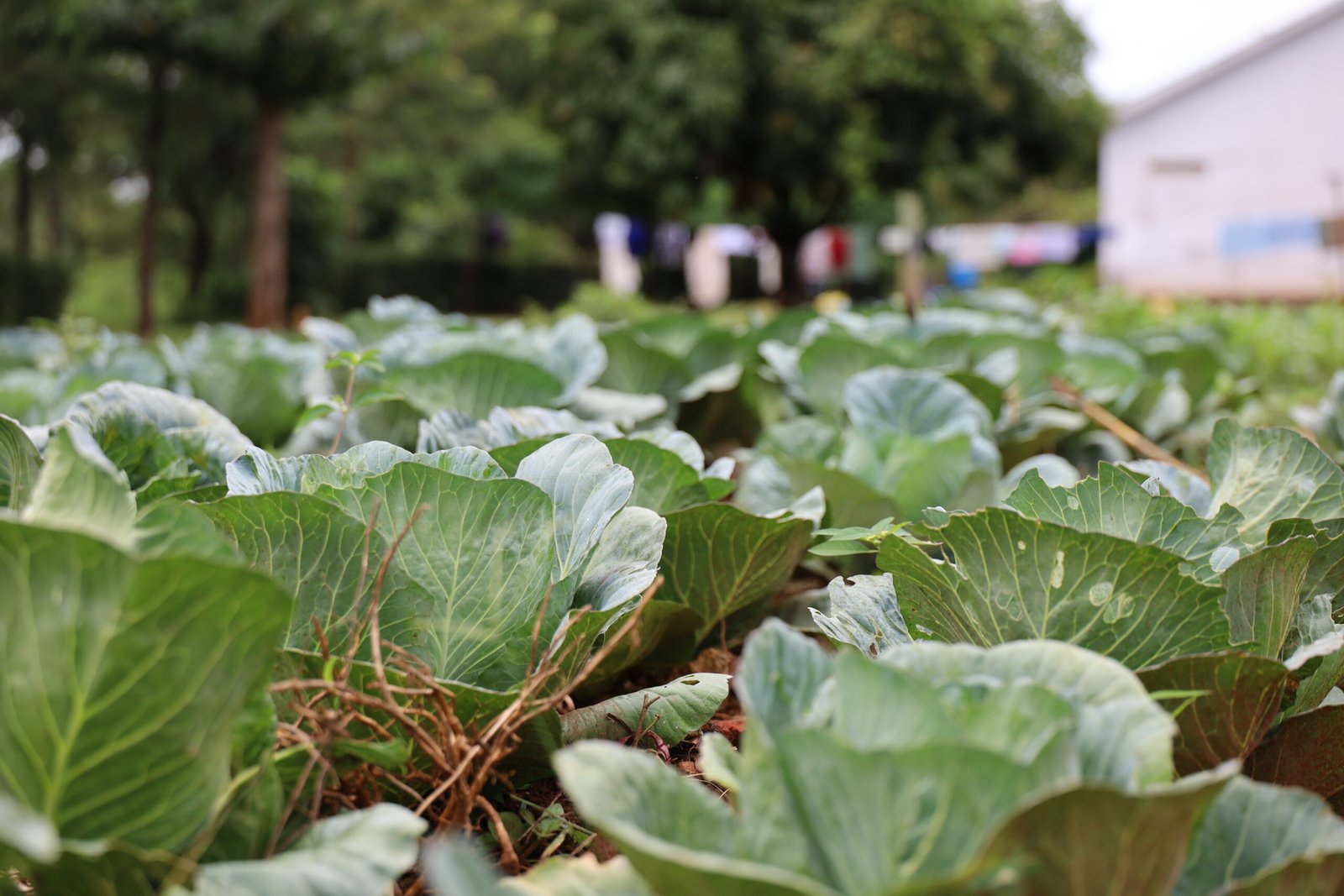
Households affected by HIV face a double burden: the physical toll of illness and caregiving combined with economic shock from lost income and high medical costs. For widows and PLWA in rural Uganda, food insecurity was directly undermining treatment outcomes ART adherence cannot be sustained without adequate nutrition.
CAPAIDS provided 100 HIV-affected families with agricultural training in improved farming practices alongside direct input support — seeds, tools and guidance on market-oriented smallholder production. The programme addressed both immediate food security and longer-term income generation, recognising that sustainable health requires sustainable livelihoods.
100 families trained and supported with agricultural inputs improving food security, ART adherence and household income for HIV-affected homes.
Local Hero Project
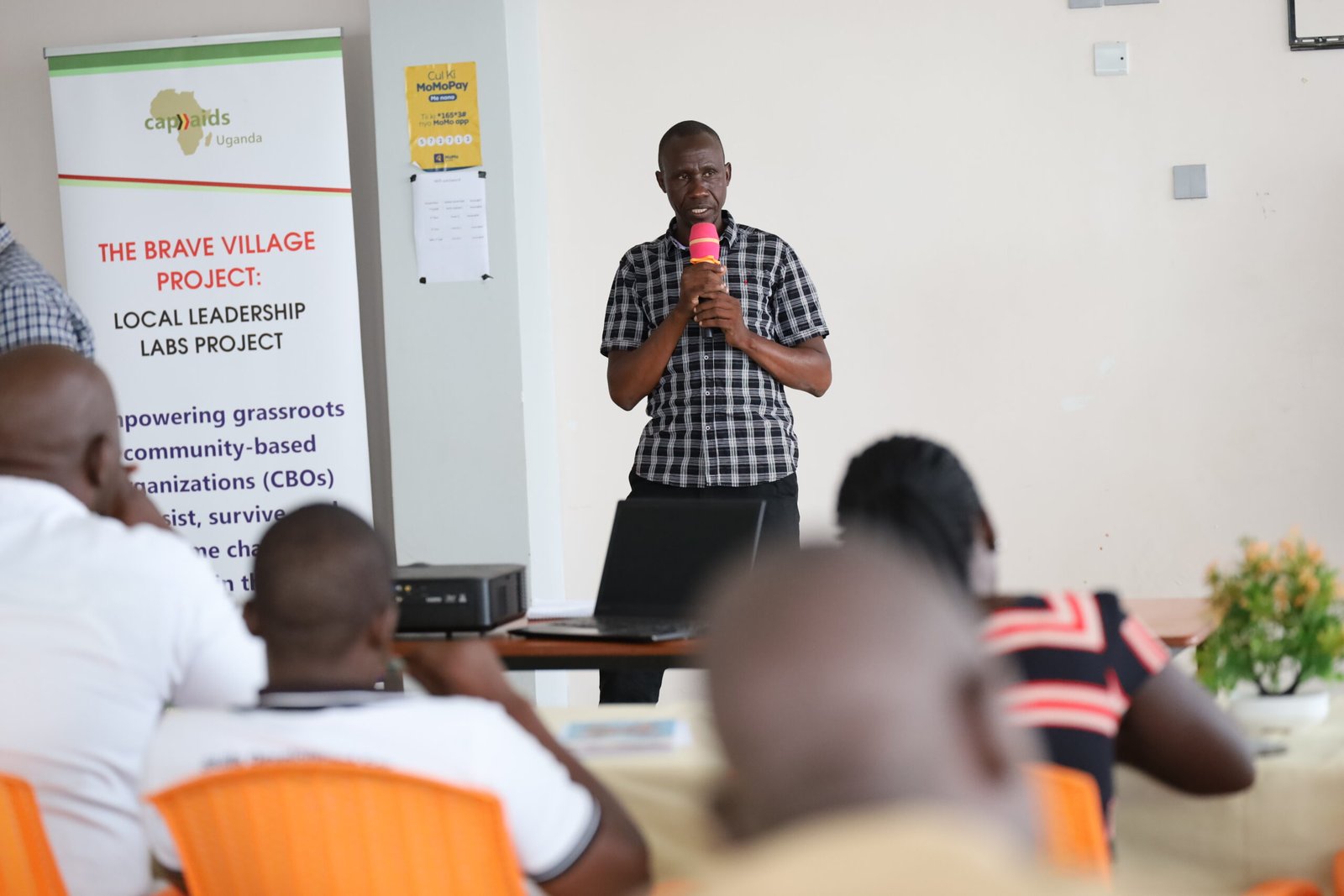
Behind every successful community health system is an invisible workforce: the neighbours, faith leaders and local volunteers who check in, carry supplies and simply sit with the sick. In Uganda's HIV response, these individuals were providing irreplaceable care yet were almost entirely unrecognised and under-resourced by the formal health system.
CAPAIDS formally recognised, trained and resourced community volunteers caring for bedridden PLWA. Volunteers received basic nursing and psychosocial support training, practical care supplies and public recognition through community ceremonies elevating their social standing and reinforcing trust in the broader health response.
Community volunteers recognised and resourced building a layer of trust and solidarity that no externally-designed programme could replicate.
Economic Empowerment — Widows & Youth Living with HIV
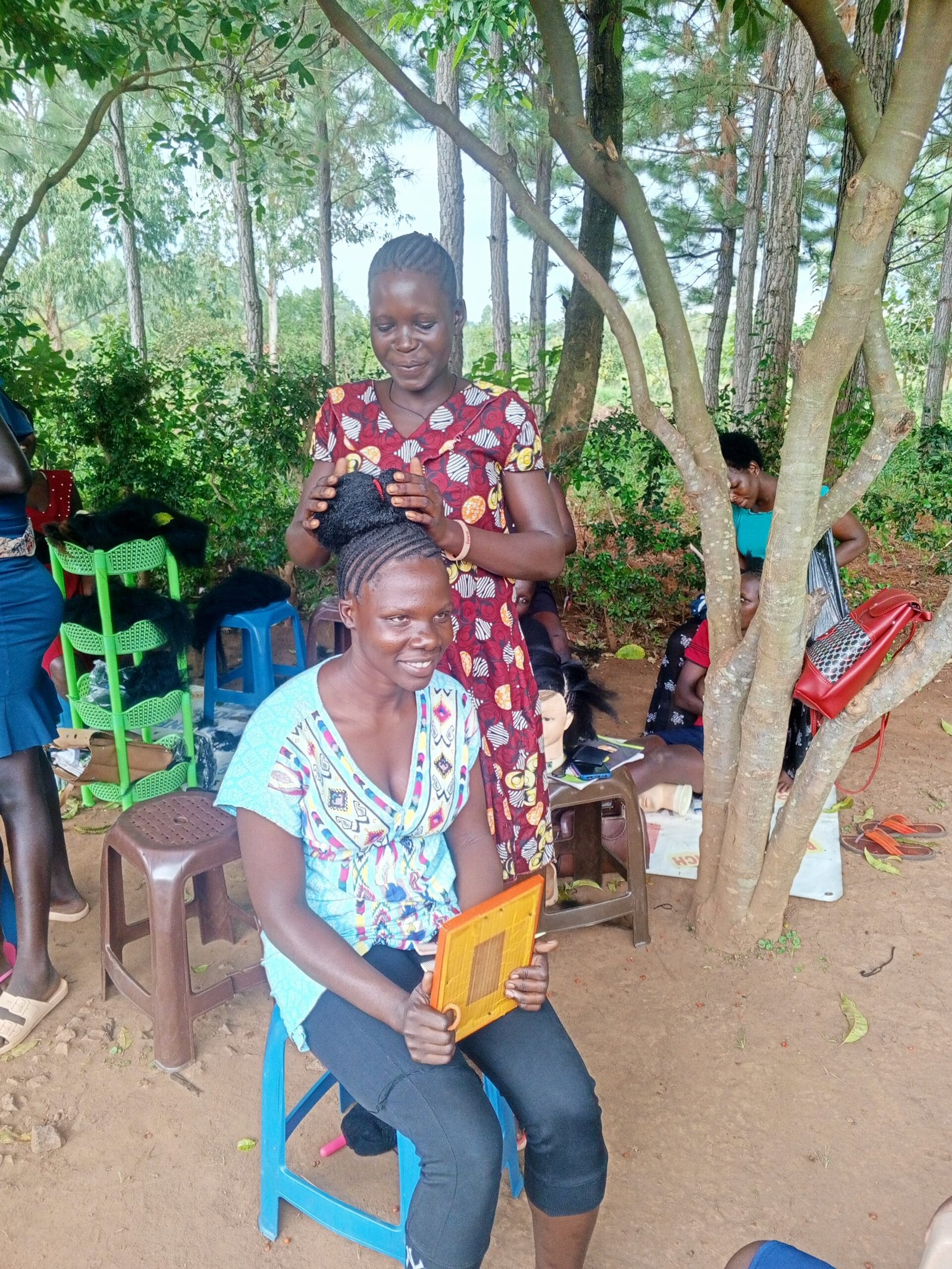
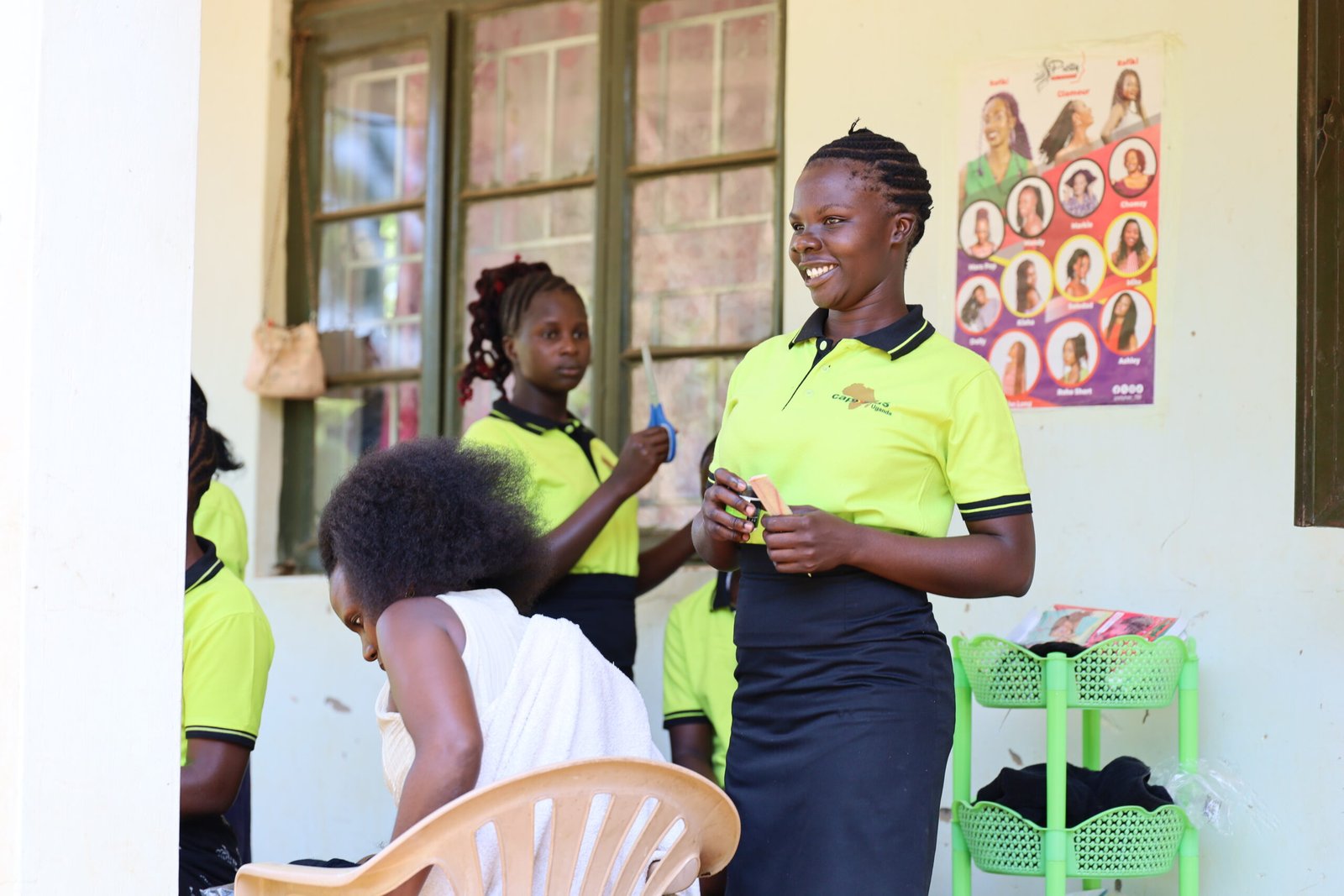
HIV-positive widows and young people living with HIV in urban and peri-urban Uganda faced compounding vulnerabilities: illness-related stigma limiting formal employment, absent safety nets and the collapse of household economic structures. Poverty and HIV were mutually reinforcing traps with no exit without deliberate, targeted support.
CAPAIDS delivered market-linked vocational skills training tailoring, hairdressing, food processing, business management combined with startup capital for small enterprises. The programme was designed not only to generate income but to restore the dignity and agency that HIV stigma had eroded from participants' daily lives.
Skills training and startup support for HIV-positive widows and youth restoring economic independence and personal dignity in equal measure.
Schools Renovation — LCA JAP I & II
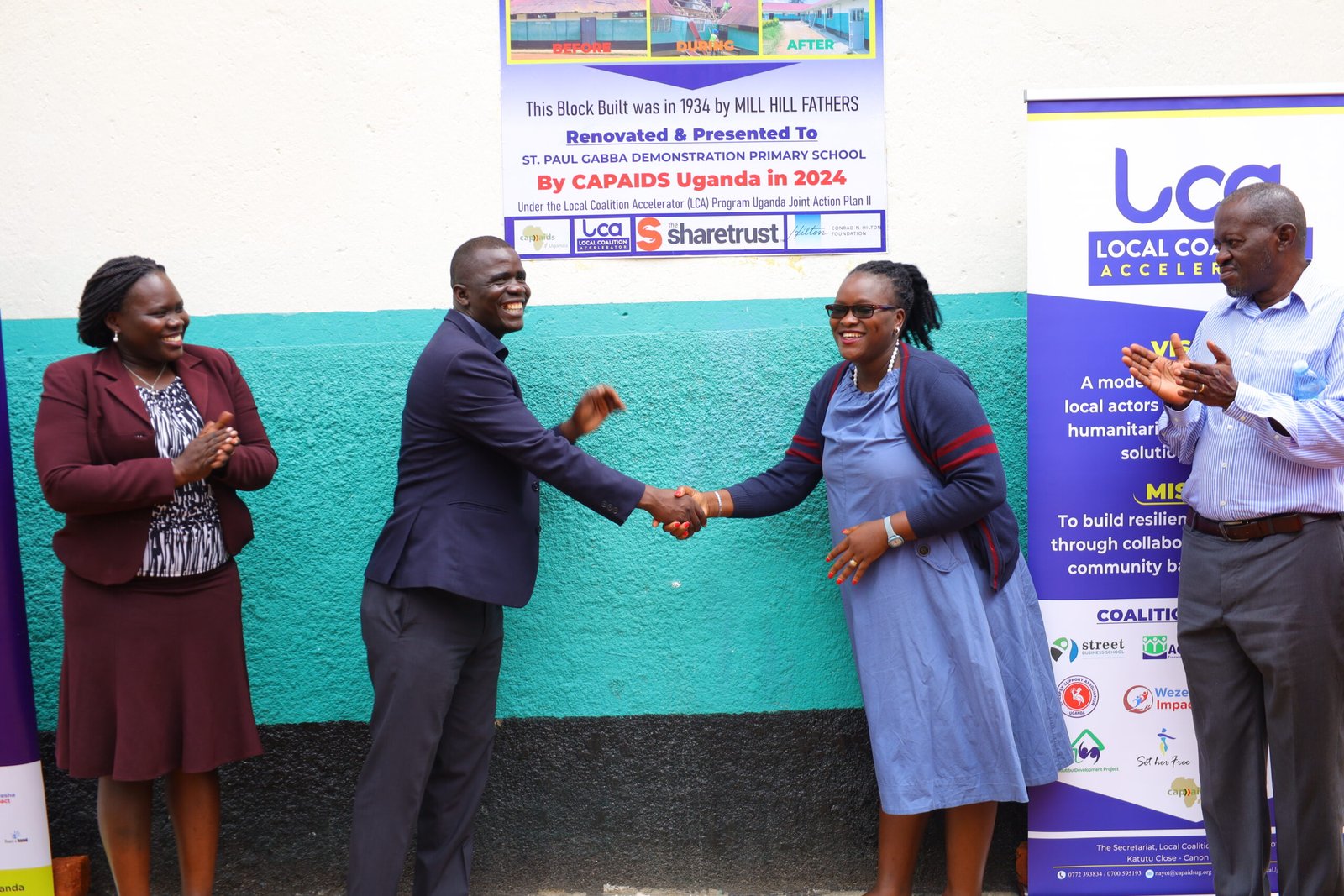
In Kampala and Lira, children were learning in deteriorating infrastructure — leaking classrooms, unsafe verandas and insufficient furniture. For schools serving large proportions of children from HIV-affected households, the physical environment of education sends a direct message about whether those children's futures are valued. Dilapidated schools communicate neglect.
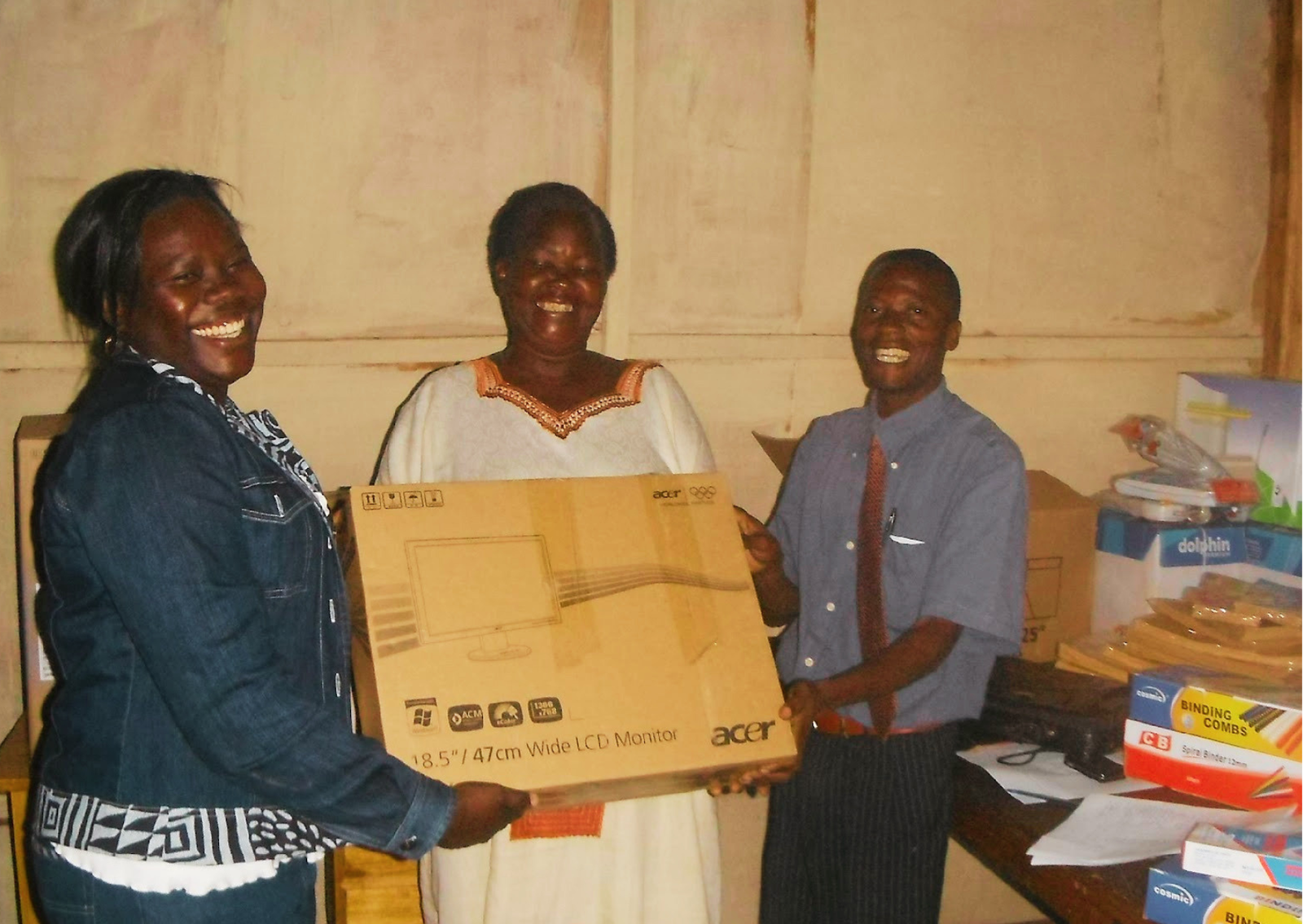
Under the LCA JAP initiative, CAPAIDS renovated the L-classroom block at Ggaba Demonstration School in Kampala, installed safety veranda rails at Kyambogo Primary School, distributed learning materials to 700+ children and donated 50 desks to schools in Lira — each investment selected directly with school leadership and parent bodies.
L-block renovated; safety rails installed; 700+ children reached with materials; 50 desks donated — sending a clear message that these children's education matters.
Child Protection & Juvenile Case Management
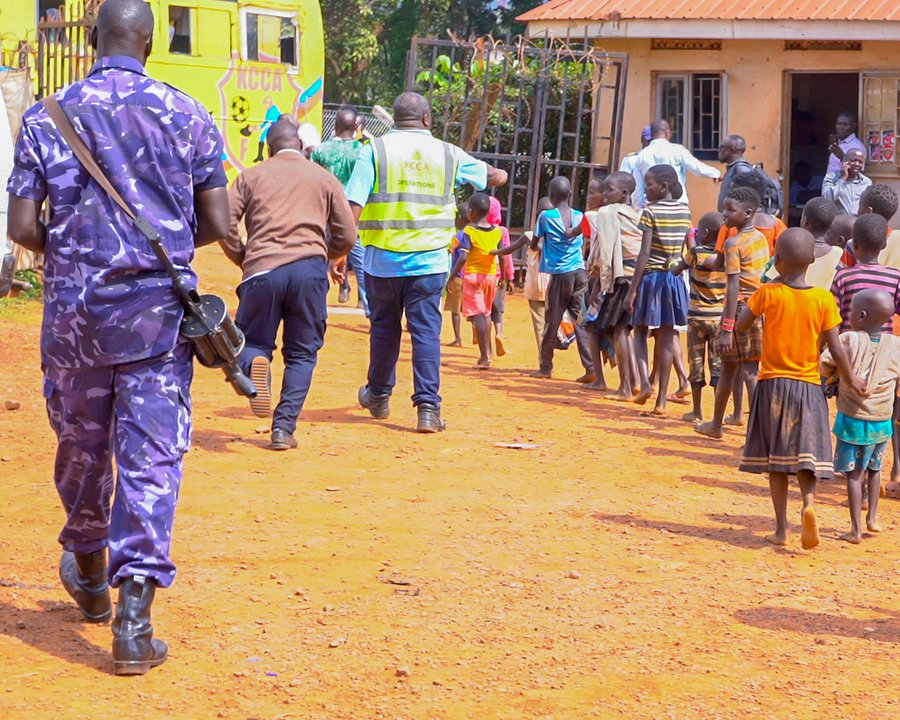
Uganda's juvenile detention system held hundreds of children and adolescents, many of whom had committed minor offences rooted in poverty, family breakdown or HIV-related household collapse. Without legal aid they faced prolonged detention; without counselling or vocational skills they faced high re-offending rates. The system was compounding vulnerability, not resolving it.
CAPAIDS worked inside the juvenile justice system to provide paralegal and legal aid support to detained children, structured psychosocial counselling to address trauma and root causes of offending, and vocational skills training to create meaningful pathways to independence. Case management ensured each child's situation was tracked through to resolution.
30+ juvenile detainees supported with legal aid, counselling and vocational training — treating justice-involved children as the victims of circumstance they often were.
Cash-Based Intervention — COVID-19 Response
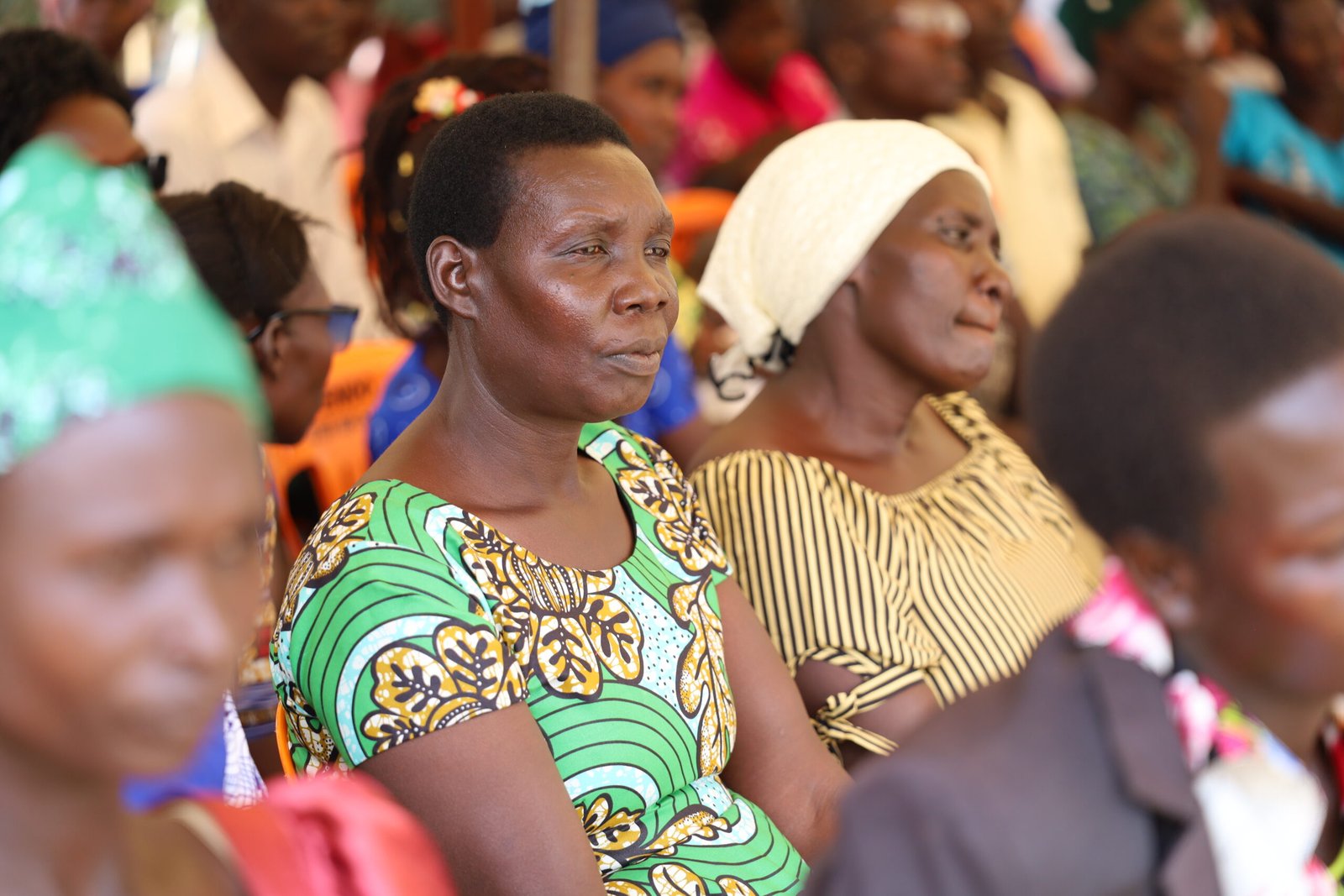
When Uganda's COVID-19 lockdowns began in 2020, the economic shock fell hardest on urban informal workers and refugee populations in Kampala who had no savings buffer, no formal employment protections and no social safety net. Access to food collapsed almost immediately for the most vulnerable — including people living with HIV whose clinic access was simultaneously interrupted.
CAPAIDS delivered a targeted cash-based intervention reaching 305 households — 200 refugees and 105 Ugandan nationals — in Kampala. Direct cash transfers were paired with structured financial literacy training to help families make strategic decisions under emergency conditions and build resilience for future shocks, prioritising female-headed households and PLWA.
305 households — including 200 refugees — received cash transfers during Uganda's COVID lockdown, paired with financial literacy to build resilience beyond the crisis.
VSF / CIDA Agricultural & Livelihoods Programme
In CAPAIDS' formative years, international development partnerships were only beginning to recognise the importance of community-owned economic programming in HIV-affected areas. The VSF/CIDA Programme was one of CAPAIDS' first engagements with the international development architecture — a critical period of organisational learning that shaped all subsequent programming.
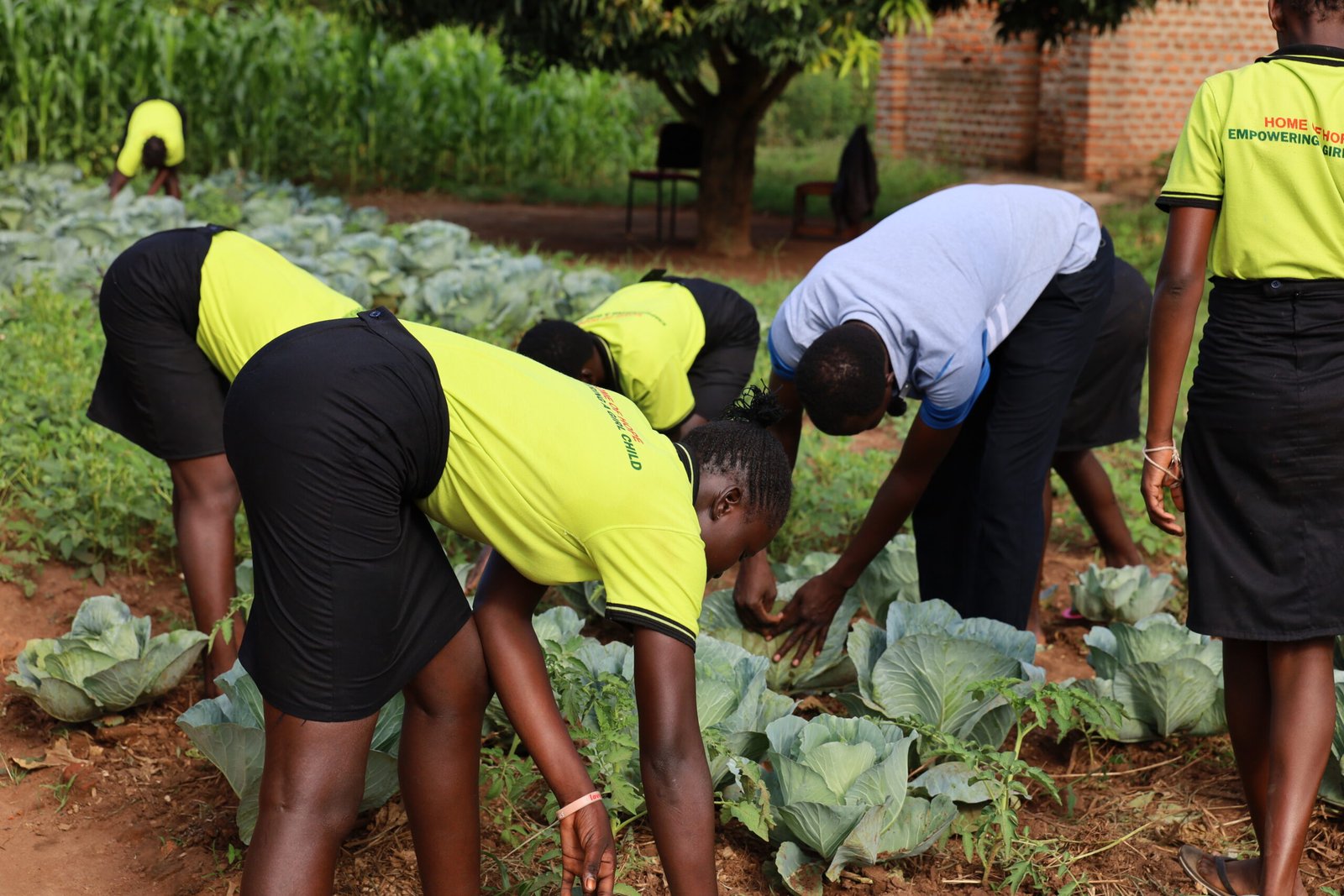
Operating within a community-led agricultural and livelihoods framework developed with VSF and funded under CIDA, CAPAIDS supported smallholder farmers and HIV-affected households through improved farming practices, input supply linkages and community governance of programme resources — one of Uganda's earliest models of community leadership in international development delivery.
An early model of community-led international development — establishing the principles of local ownership and grassroots accountability that define CAPAIDS' work to this day.