CURRENT PROJECTS
From the hills of Boroboro to the streets of Kampala and the policy halls of Geneva — each project is a deliberate investment in communities that have too long been overlooked. Here is where we stand, what we are building, and who stands with us
Local Leadership Labs
Context
Across Uganda, the organisations closest to crisis — local NGOs, community-based groups, faith institutions — receive the least power and fewest resources. Only 23% of local and national actors receive multi-year funding; 68% lack internal cost recovery mechanisms. The global development system was not designed with local leaders at the centre. The Local Leadership Labs project, convened by CIVICUS Global Alliance, exists to change that architecture.
Our Intervention
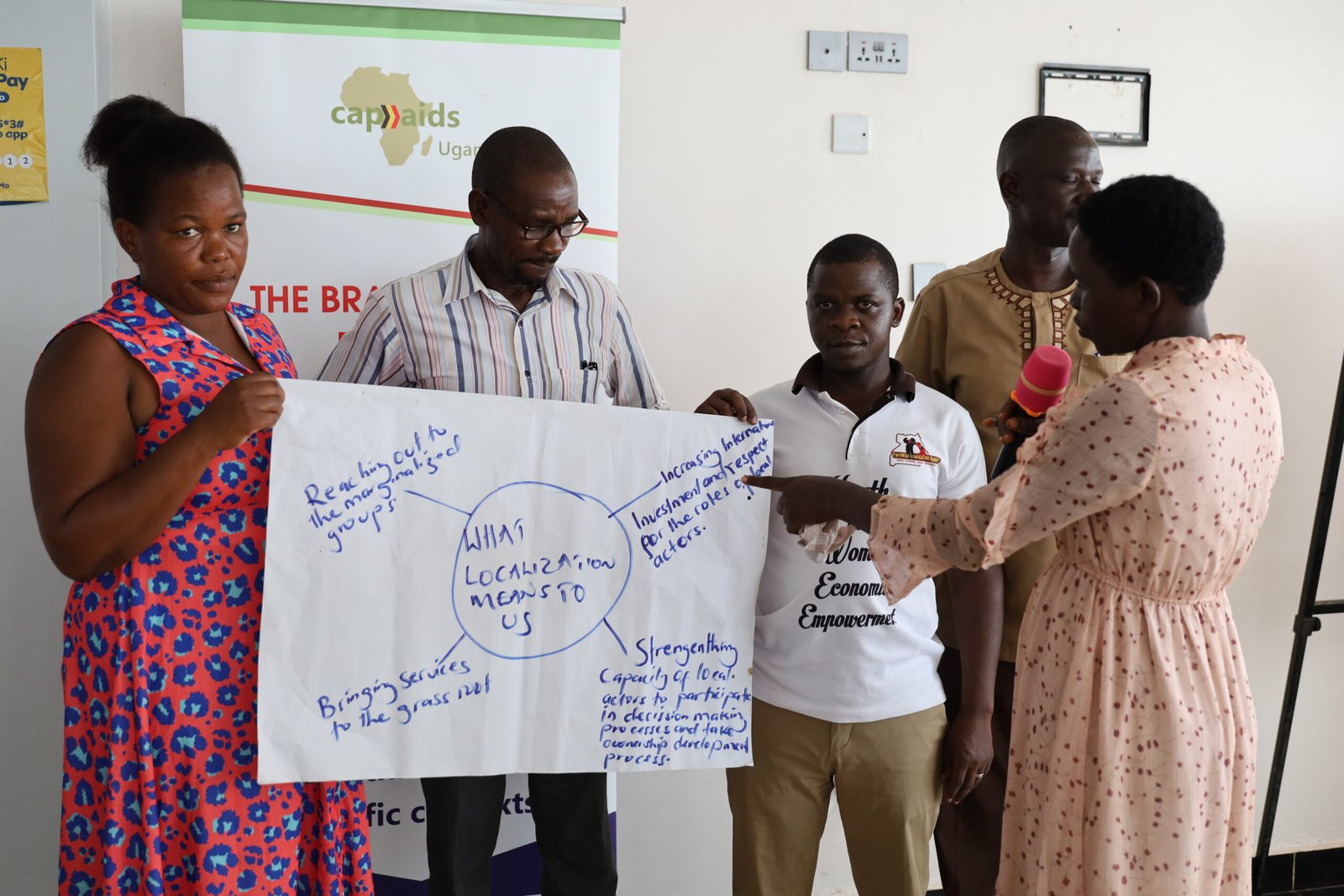
As Uganda's National Convenor, CAPAIDS coordinates a co-creation programme across 13 districts, bringing together local government officials, civil society organisations and community media in structured "labs" — facilitated spaces where communities design and test their own solutions to locally-identified problems. CAPAIDS trains co-conveners, manages the national secretariat, documents evidence and channels findings into national and global advocacy platforms.
200+ local actors engaged nationally. 14 co-conveners deployed, producing prototypes including a Community-Led School Improvement Initiative and a Community Health Accountability System. Uganda's first community-authored position paper on locally-led development produced and presented at international forums. The Local Leadership Consortium — formed by lab participants — now operates independently with CAPAIDS as Secretariat.
Rehabilitation & Skilling — Home of Hope
Context
In Lira's Boroboro sub-county, adolescent girls and young women aged 16–24 face compounding crises: early marriage, GBV, displacement from conflict-affected households and extreme poverty. Without skills, savings or safety, their futures narrow quickly. Northern Uganda carries some of Uganda's highest poverty and school dropout rates, and women bear the deepest burden.
Our Intervention
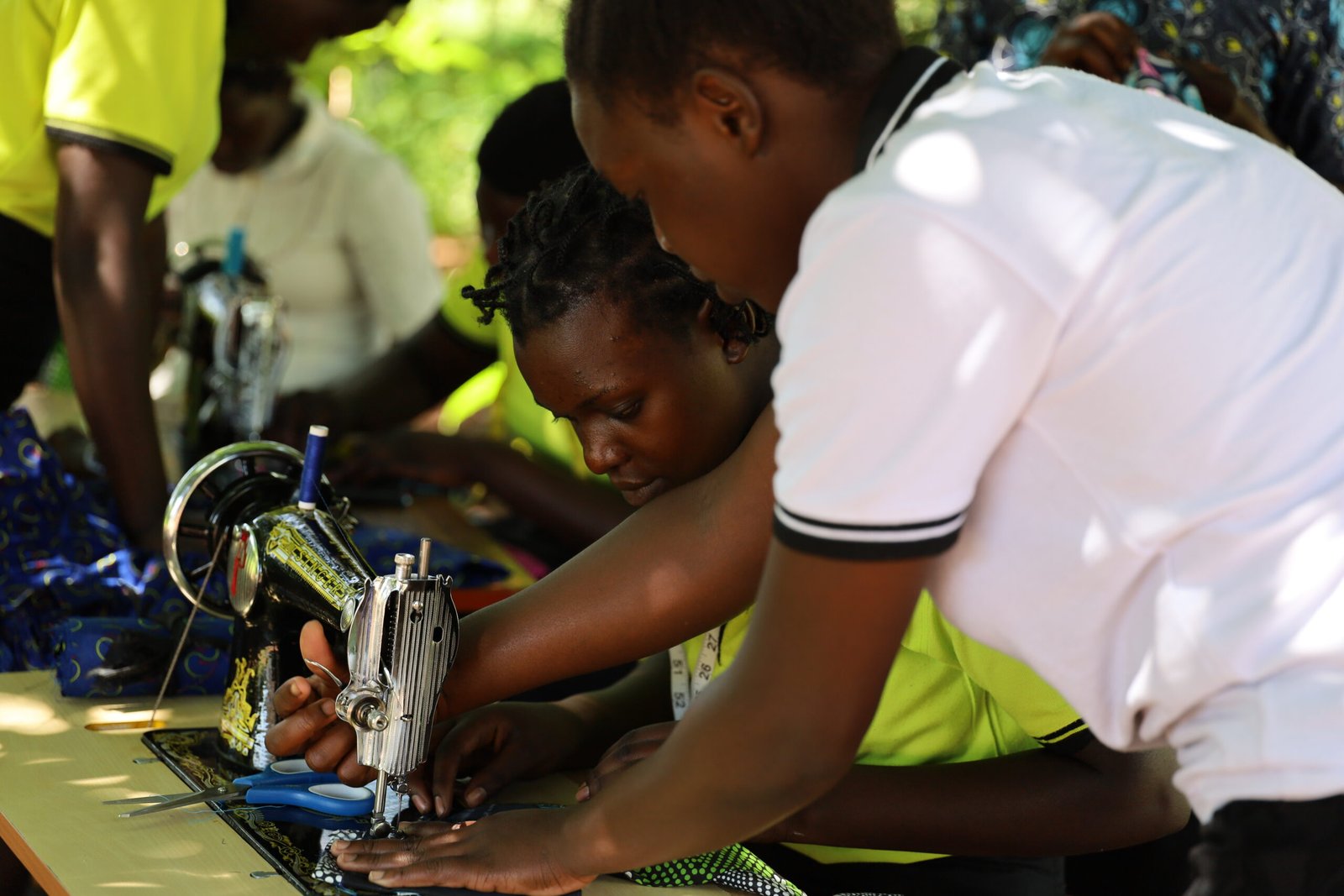
The 6-month residential programme at the Home of Hope in Boroboro blends vocational training (tailoring & garment cutting; hairdressing & cosmetology) with financial literacy, psychosocial counselling, primary healthcare via Boroboro Health Centre III and peer mentorship from graduates. Every cohort graduates with a full startup kit and an active savings record.
In 2022–23, 17 girls graduated: 9 of 12 tailoring graduates are self-employed; 2 of 5 hairdressers placed in salons. Solome Achola now earns UGX 20,000 weekly and is saving for her own salon. In 2023–24, 49 of 50 enrolled girls graduated — a 98% completion rate. The current 2025–26 cohort has 20 girls enrolled and underway.
School Sponsorship & Education
Context
Uganda's net primary school enrolment stands above 90%, yet retention tells a sharper story. In Lira and peri-urban Kampala, children in households affected by HIV, displacement or extreme poverty drop out not from lack of desire to learn, but because families cannot sustain the costs — fees, materials, uniforms and transport. Girls face the additional barrier of menstruation, with no access to sanitary materials.
Our Intervention
Working across 8 partner schools in Lira and Kampala, CAPAIDS provides fee sponsorship, learning materials (exercise books, pens, bags), reusable sanitary pads for girls, infrastructure renovation and teacher welfare support. Local Heroes track attendance and flag at-risk children for follow-up. In Kampala, the programme extends to urban refugee learners through partnerships with city schools.
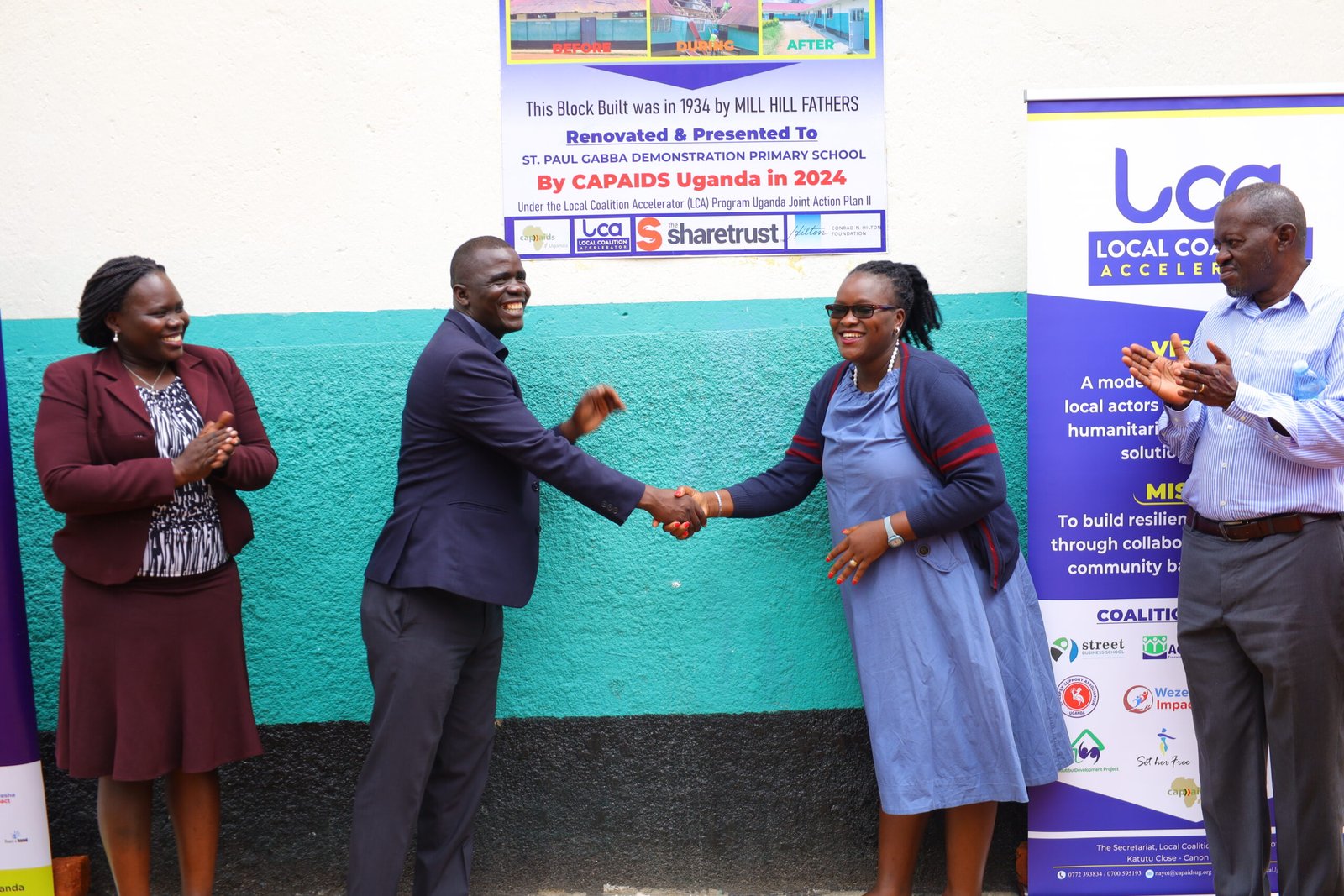
80 vulnerable children sponsored in 2025. Over the two preceding programme years: 140 children transitioned to higher education levels, 700+ received learning materials, 560 girls received reusable sanitary pads. In Kampala, the L-classroom block at Ggaba Demonstration School was renovated, safety rails installed at Kyambogo Primary and 148 urban refugee learners supported.
Self-Help Group (SHG) Initiative
Context
Rural poverty in Northern Uganda sits at 27.7% (UBOS 2023/24). Youth unemployment is 16.1% nationally, with 50.9% of young people outside employment, education or training. For women in Lira and peri-urban Kampala, the absence of savings, credit access and business skills perpetuates intergenerational poverty. Uganda's Parish Development Model (NDP IV) calls for exactly the kind of grassroots economic infrastructure CAPAIDS builds.
Our Intervention
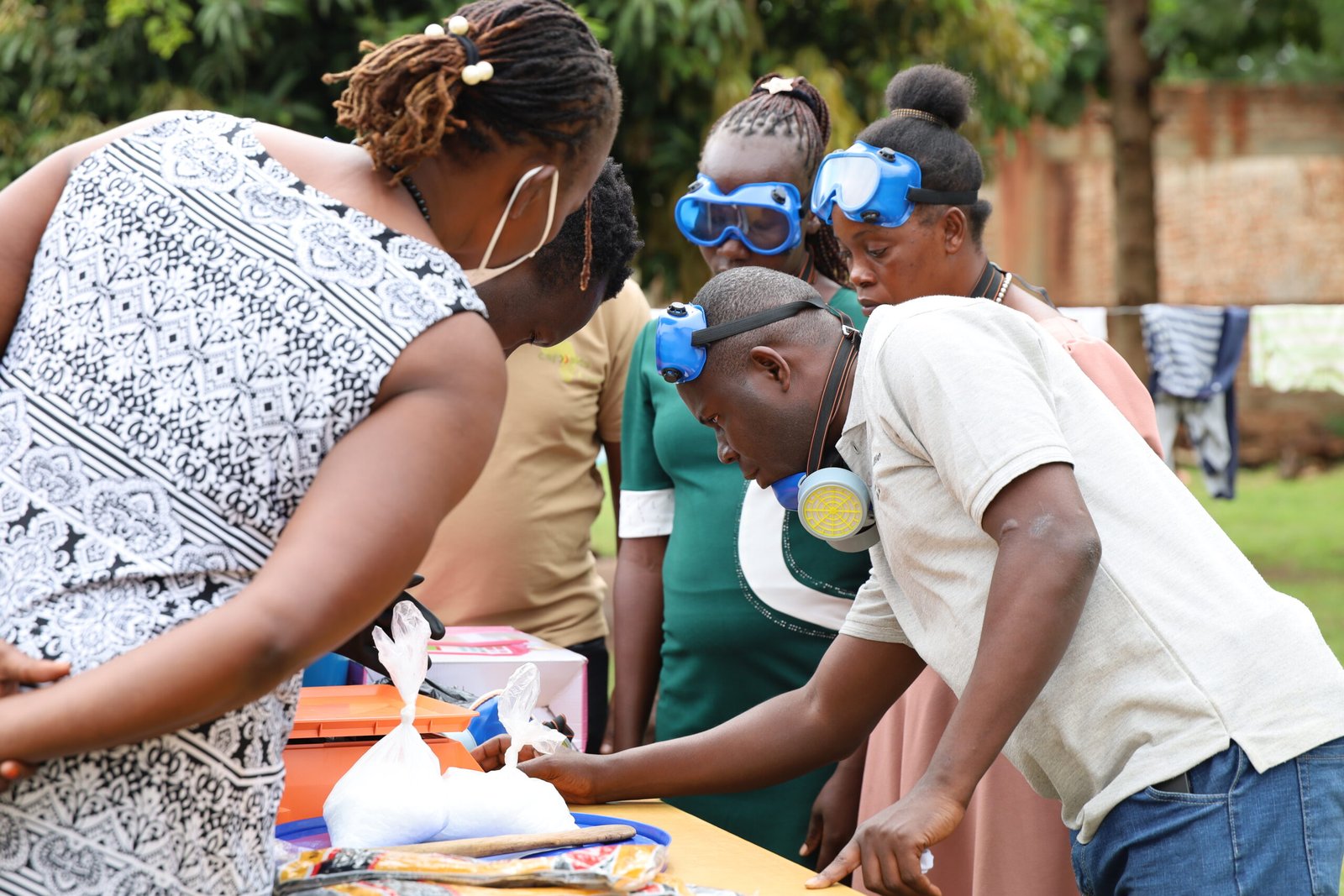
Using the Village Savings and Loan Association (VSLA) model, CAPAIDS organises women into Self-Help Groups with transparent governance, collective accountability and 5% interest loans. Members receive financial literacy training, business development coaching and linkages to markets. A revolving fund supports groups through their critical first savings cycle. CAPAIDS' soap enterprise — producing 491 bars in 2025 — is one direct output of the SHG model.
Two SHGs in Boroboro, Lira mobilised UGX 22.9 million in 2025. Eight SHGs in Kampala trained in 2023–24; 7 received revolving fund support. The initiative directly reinforces Uganda's PDM strategy — demonstrating the community-level economic infrastructure that makes national policy real on the ground.
Safe Space Construction — Home of Hope
Context
In Boroboro, Lira, girls and young women accessing SRHR information, GBV support or psychosocial counselling currently do so without a dedicated, dignified space. Survivors of violence need safety not just as a concept but as architecture — a physical place where they can speak, heal and plan their next chapter. The Safe Space at HoH will also house a Digital SRHR hub, enabling girls to access health information privately and without stigma.
Our Intervention
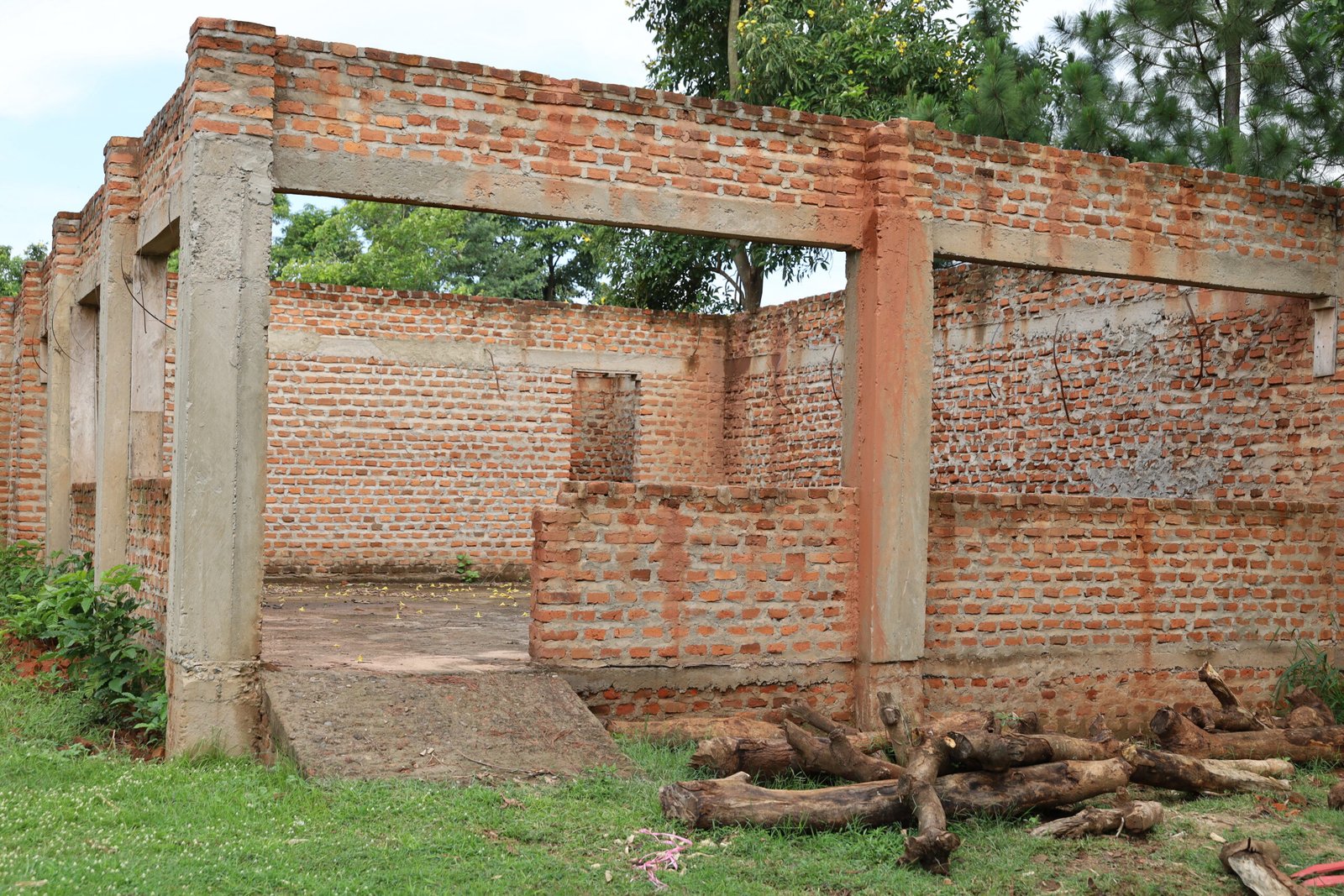
CAPAIDS is constructing a purpose-built Safe Space and Digital SRHR centre at the Home of Hope campus in Boroboro. The structure will provide dedicated counselling rooms, a digital resource room with connectivity for health information access and spaces for group psychosocial support sessions. Construction is aligned with Uganda's NDP IV Human Capital and Resilience investment priorities and CAPAIDS' broader campus masterplan.
Construction is progressing: ring beam level is complete. Three levels remain. When complete, the Safe Space will serve 450+ girls per year from 8 partner schools in Boroboro, provide emergency accommodation for GBV survivors and function as the primary SRHR information access point in the sub-county. Fundraising is currently open — the structure is shovel-ready and partially funded.