Local Leadership Lab – CAPAIDS Uganda
CAPAIDS Uganda  ×  CIVICUS Global Alliance

Local Leadership Labs Uganda

A deliberate journey from discovery through ideation into action — grounded in the lived realities of last-mile actors across all regions of Uganda, shifting power back to communities who understand their own context.

2024 – 2025 3 Phases 7 Regions 200+ Actors
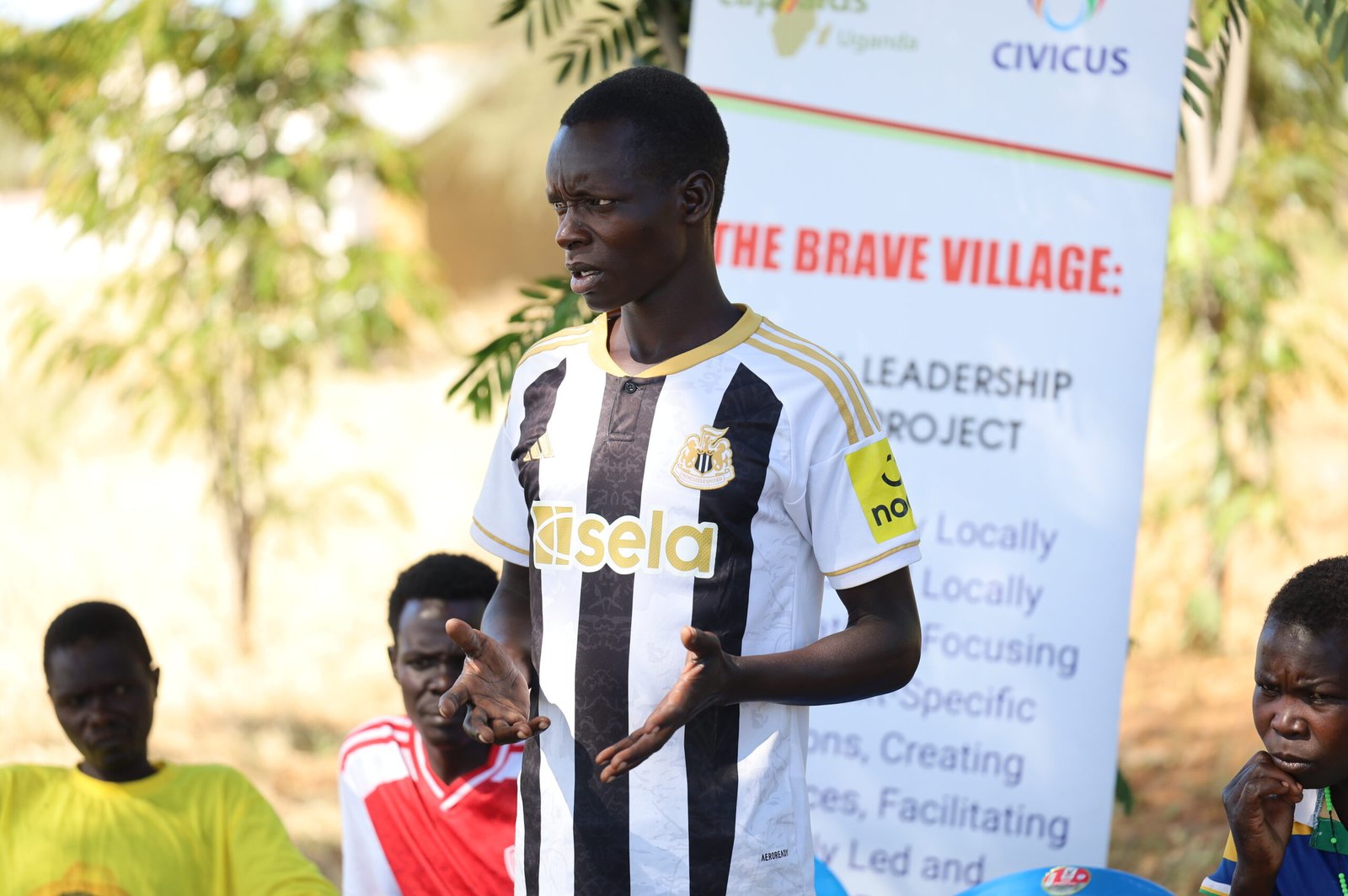
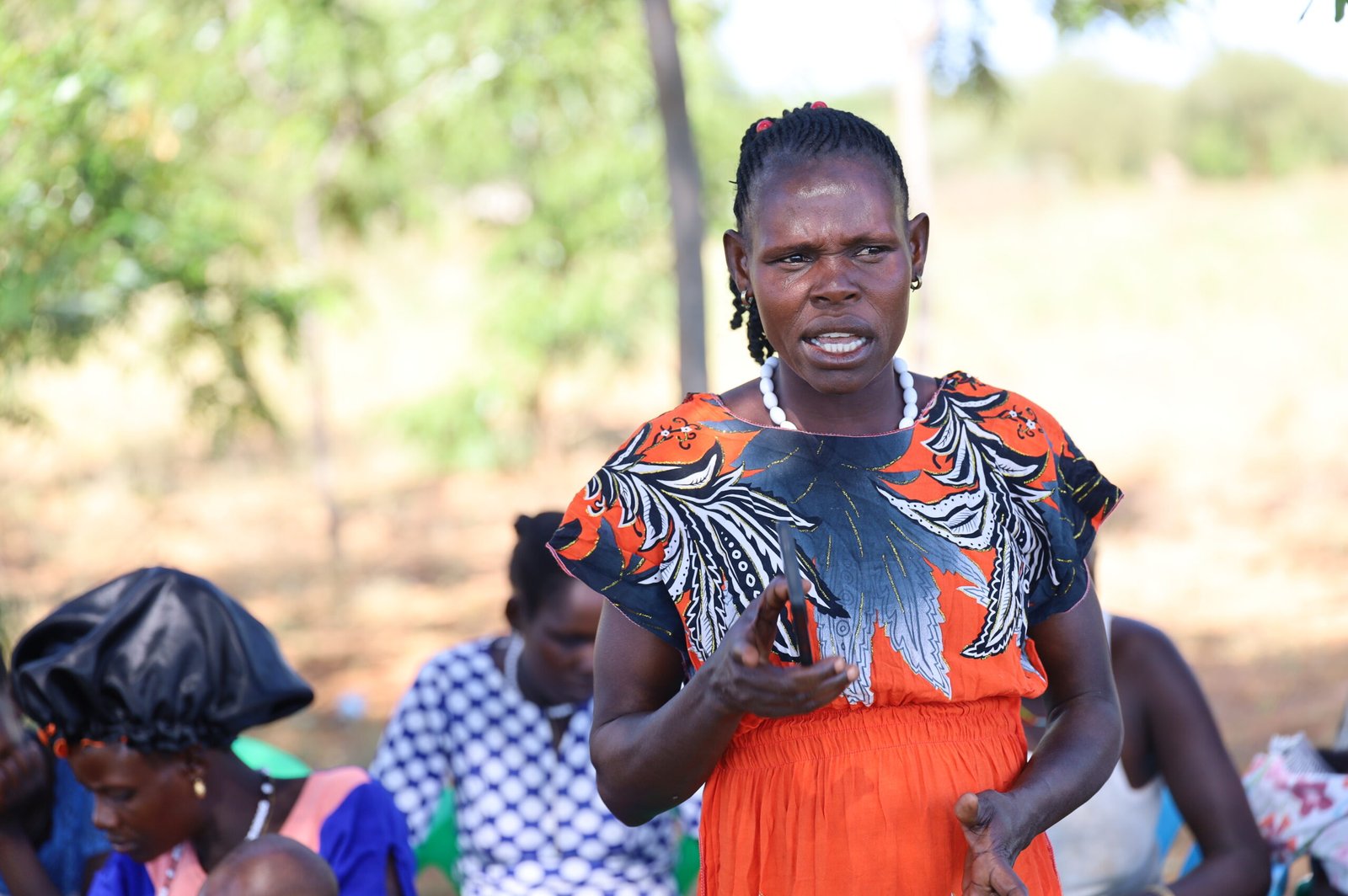
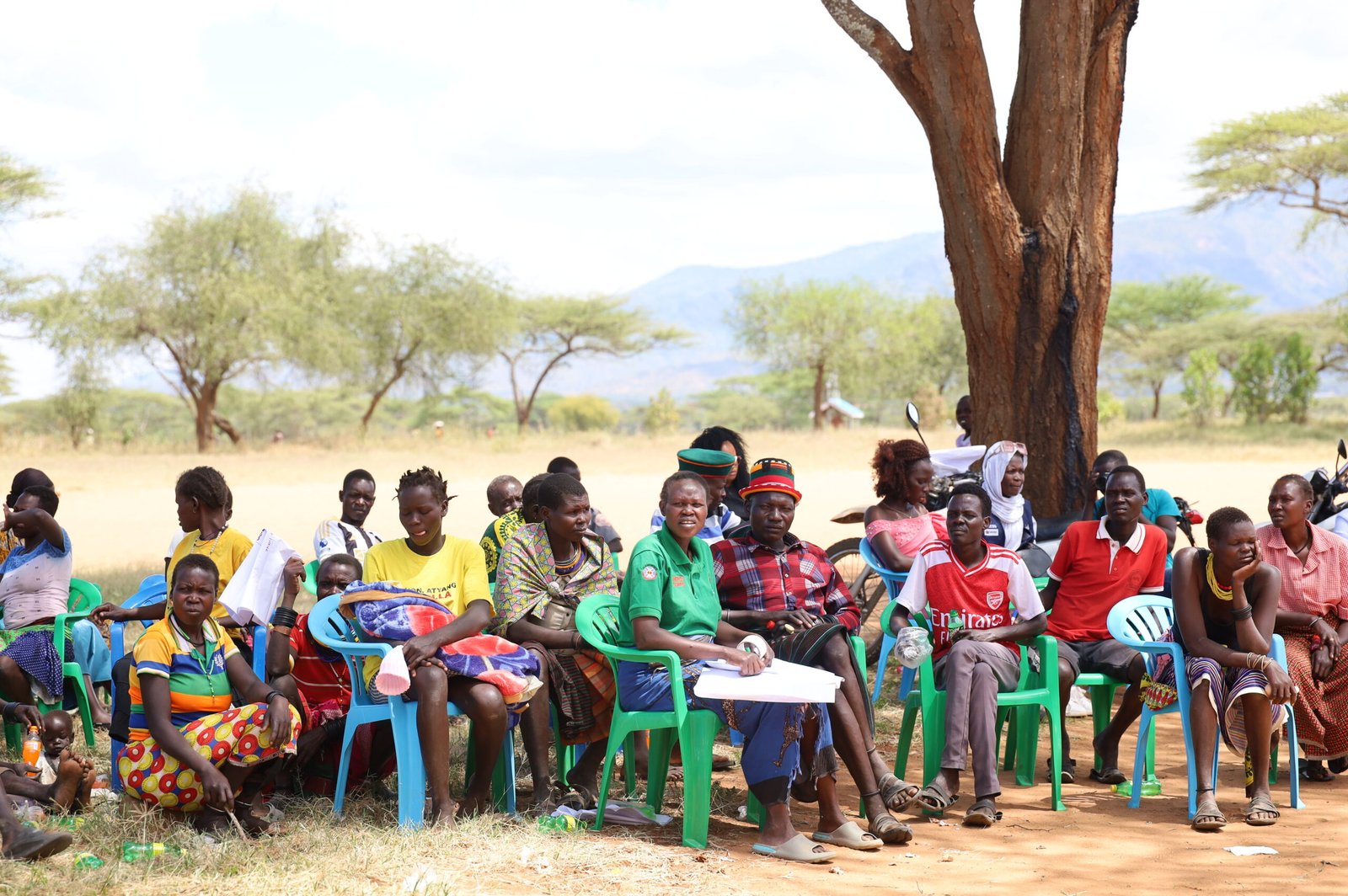
LLL Community Consultation
200+Local & National Actors Engaged
7Regional Clusters Covered
14Co-Conveners in Phase 2
3Project Phases · Discovery → Action
In Partnership With
CIVICUS Global Alliance NEAR Network Conrad N. Hilton Foundation Africa Philanthropy Network Innovation for Change East Africa
01 — Introduction

What is the Local Leadership Lab?

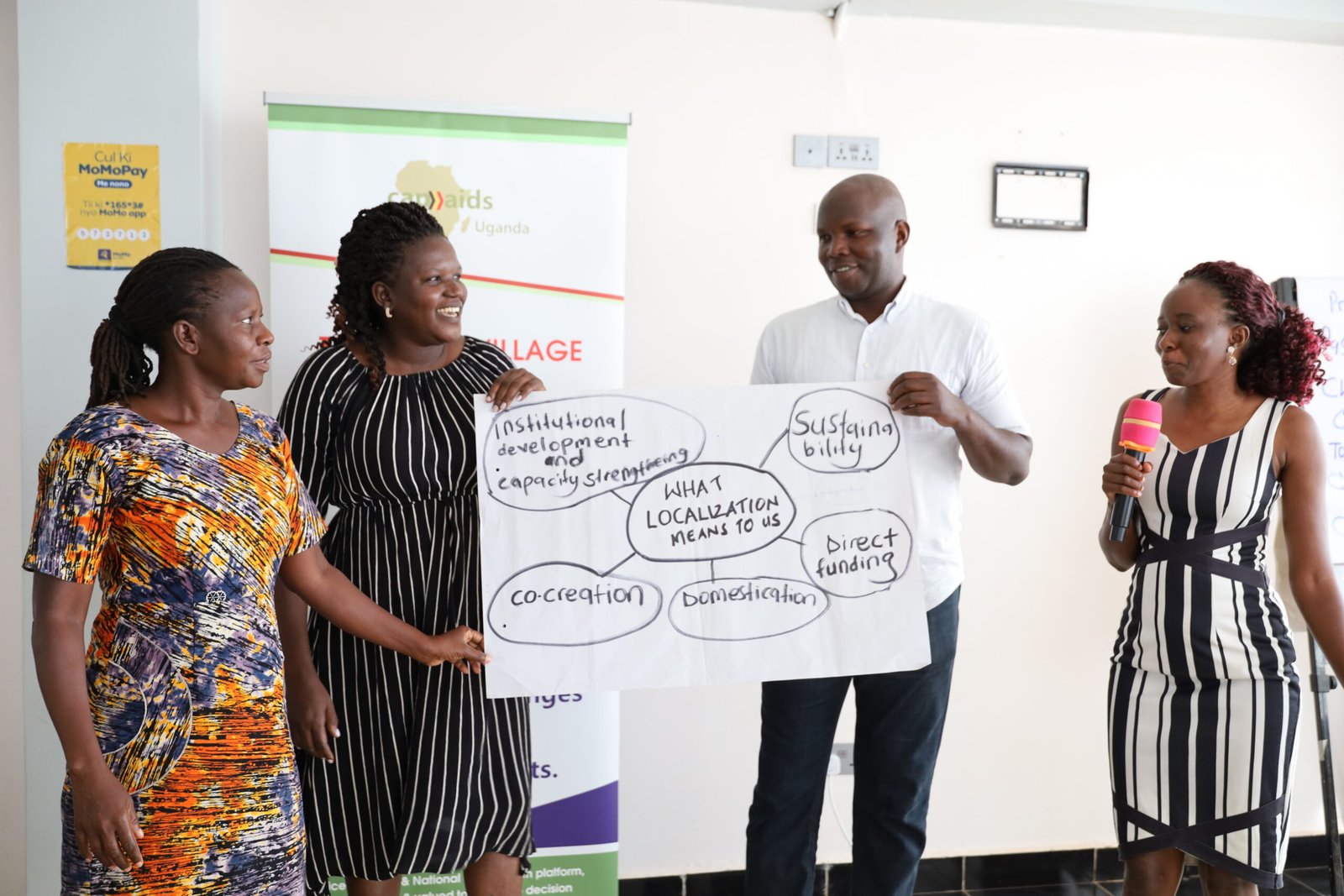
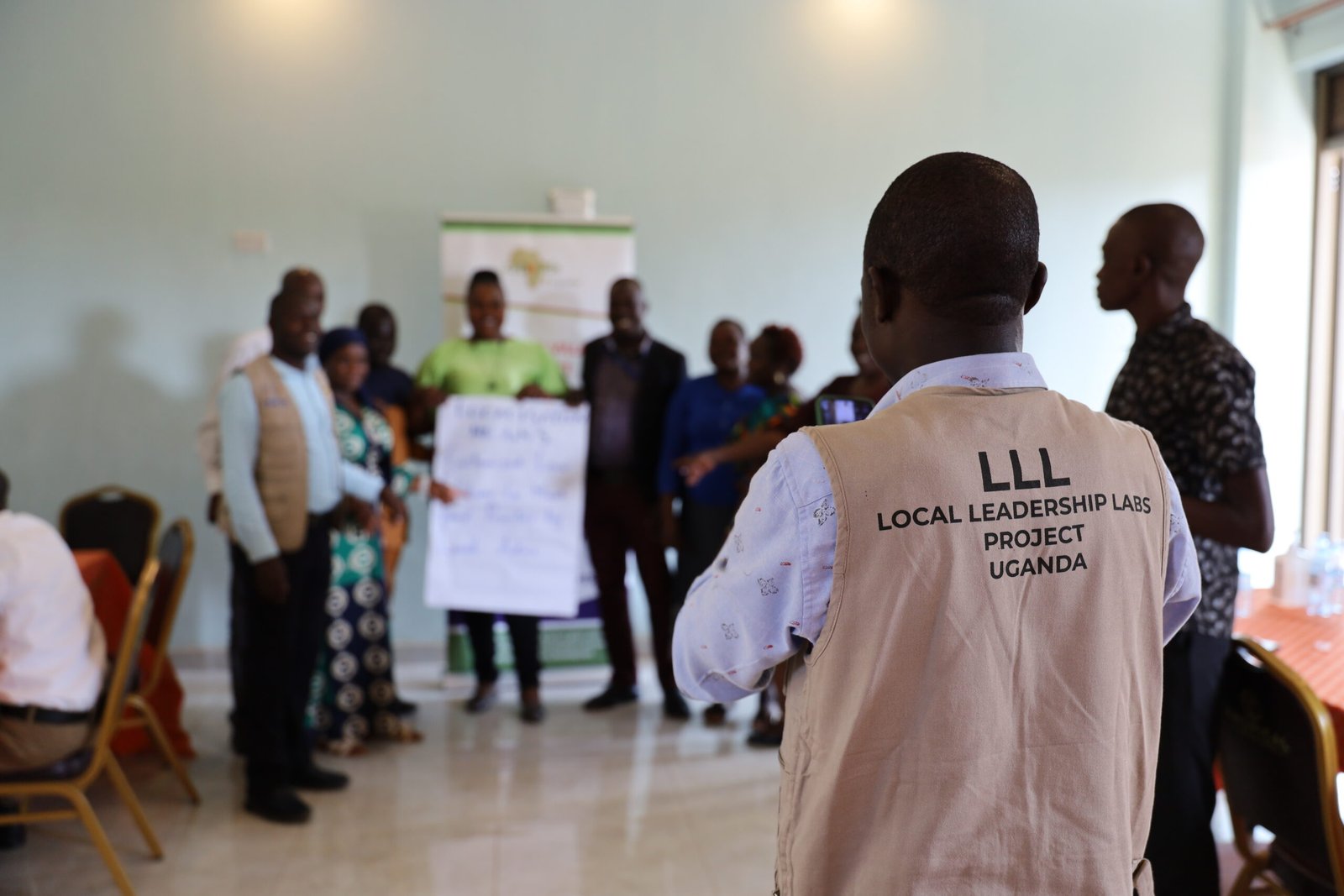
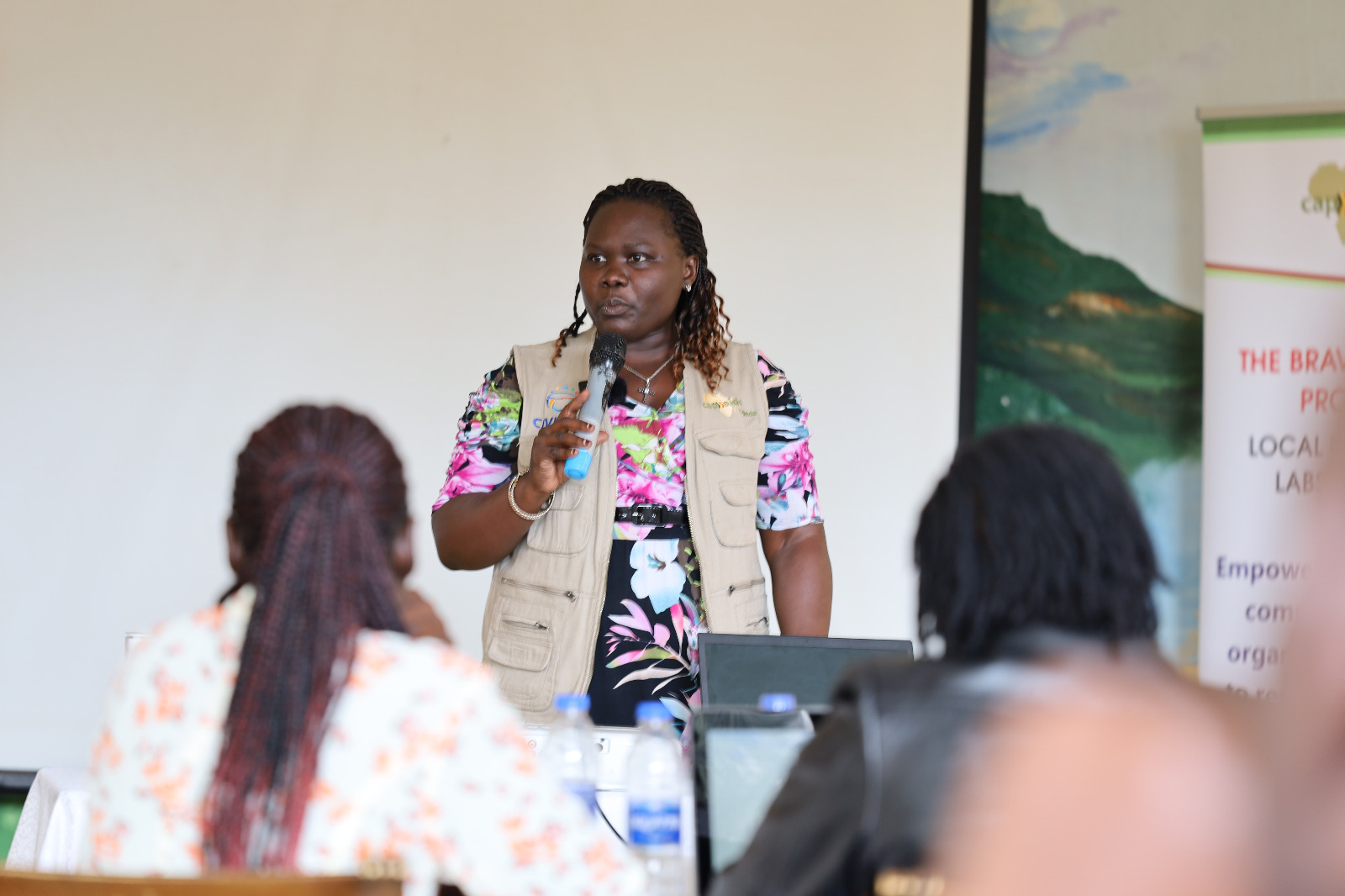
LLL Consultation in Uganda

The Local Leadership Lab (LLL) is a pioneering initiative by CAPAIDS Uganda, implemented in partnership with CIVICUS the World Alliance for Citizen Participation to foster sustainable, locally-led development by empowering civil society actors across Uganda.

Launched in early 2024 and unfolding through late 2025, the LLL project set out to do what most development programmes fail to do: listen first. The process was designed not merely as a consultation exercise, but as a relational journey building trust, surfacing hidden voices and co-creating solutions with communities who are already the experts of their own realities.

In Uganda, local communities are routinely sidelined in development decisions despite knowing most about their own needs. The LLL was born from a conviction that this must change — not through policy statements alone, but through lived practice and demonstrated proof of concept.

The Ugandan Context

Uganda's civil society landscape is rich and diverse, yet deeply constrained by donor-driven funding models, narrow eligibility criteria and institutional biases that consistently favour large international actors. With over 68% of local organisations receiving zero institutional support from donors and 43% of funding locked in short-term activity-based cycles, the Local Leadership Lab emerged as a direct response to structural inequities that keep grassroots organisations in perpetual survival mode.
02 — Theory of Change

How We Believe Change Happens

The LLL Theory of Change rests on a foundational belief: that communities are not problems to be solved, but leaders to be resourced. Durable development happens when power is held by those closest to the challenge.

01
Surface Hidden Voices
Create intentional, safe spaces where last-mile actors can articulate their realities without fear or filter — moving beyond data extraction toward genuine voice.
02
Build Trust Across Actors
Connect community actors, local government, donors and INGOs in listening spaces — reframing relationships from master-servant to genuine partnership.
03
Co-Create Solutions
Move from problem listing to intervention design using systems thinking and root cause analysis to prototype locally led, community-owned solutions.
04
Shift Power Structurally
Influence national policy, donor practices and INGO behaviour to adopt flexible, multi-year, direct funding that genuinely enables local leadership at scale.

Core Values

Power-Building
Redistributing decision-making authority from international intermediaries to national and local civil society actors.
🤝
Inclusivity
Centering marginalised groups — women, persons with disabilities, youth and last-mile communities — as primary participants and decision-makers.
🔄
Systems Thinking
Moving beyond surface-level symptoms to identify root causes and design interventions with lasting structural impact.
🔍
Accountability
Operationalising risk-sharing and transparent learning as mechanisms for building trust between funders, intermediaries and communities.
03 — Our Role

CAPAIDS Uganda as National Convening Partner

CAPAIDS Uganda serves as the National Convening Partner and Secretariat for the Local Leadership Labs in Uganda — not as an isolated convener, but as an actor deeply embedded within the existing national civic infrastructure.

ROLE 01

National Convening & Coordination

CAPAIDS designed and led national consultations across Uganda's seven regional clusters, organising safe spaces that balanced geographic breadth with community depth. We served as the primary interface between global partners like CIVICUS and grassroots local actors, ensuring local realities informed global advocacy.

ROLE 02

Trust-Building & Facilitation

We adopted deliberate relational strategies, engaging donors and diplomatic actors from the US, UK and Europe not as passive funders but as participants in listening spaces. We leveraged existing national forums to finalise designs, avoiding duplication and building on established civic legitimacy.

ROLE 03

Research, Documentation & Advocacy

CAPAIDS produced the position paper "The Status of Locally Led Development in Uganda" — consolidating the insights of over 200 actors into a credible, community-grounded foundation for national policy advocacy.

ROLE 04

Co-Design & Prototype Support

During the Ideation Phase, CAPAIDS guided 14 co-conveners through problem identification, root cause analysis, stakeholder mapping and solution prototyping using systems thinking methodologies.

ROLE 05

Secretariat: LLL Uganda Consortium

Following the co-creation phase, the 14 co-conveners proposed forming a permanent "Local Leadership Consortium in Uganda" and requested CAPAIDS serve as Secretariat — institutionalising this convening role into lasting national civil society infrastructure.

ROLE 06

Global Representation

CAPAIDS Uganda represented Ugandan local actors at the UNGA Side Event "Local Action, Global Accountability" at the Ford Foundation in New York, September 2024 — amplifying last-mile voices in international policy spaces.

04 — The Journey

Three Phases of Locally Led Change

Mar 2024 – Dec 2024 Discovery Phase
01

Discovery Phase

Listening, Mapping & Trust-Building

The Discovery Phase began in March 2024 — not as a neutral technical exercise, but as a deeply relational one. The goal was not merely to map actors but to build trust, clarify expectations for participation and ensure that local voices would be accurately captured rather than extracted.

  • Engaged over 200 local and national actors across all 7 regional clusters
  • Developed four complementary tools: availability tracker, organisation profiler, real-time learning capture and indicator tracker
  • Engaged US, UK and European diplomatic actors as participants in listening spaces
  • Produced: The Status of Locally-Led Development in Uganda
  • Key asks: Quality funding, capacity enhancement and investment in local philanthropy
02

Ideation / Co-Creation Phase

Designing Solutions Together

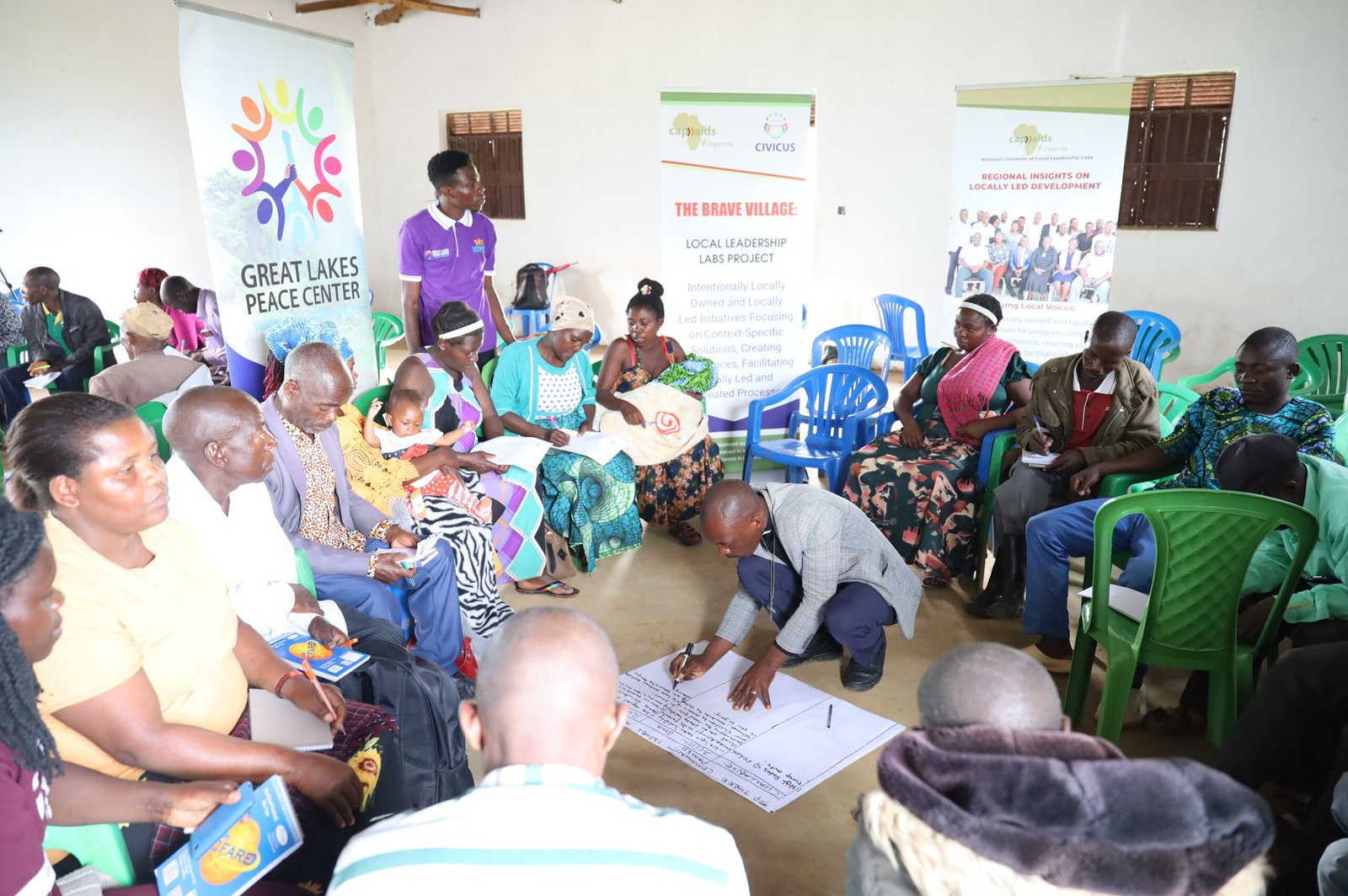
In August 2025, CAPAIDS engaged in the LLL Co-Design Workshops with 14 co-conveners spread across Uganda's districts. This phase shifted the focus from consultation to practical problem-solving, guiding communities through systems thinking and solution prototyping.

  • 14 co-conveners in districts from Mbale to Arua, Kotido to Wakiso
  • 58% female participation, with inclusion of persons with disabilities
  • Most prioritised issue: access to healthcare services (50% of co-conveners)
  • Prototypes developed for health, education, teenage pregnancy, water access and economic empowerment for PWDs
  • Participants reported strengthened facilitation, creativity and analytical capacity
Aug – Nov 2025 Ideation Phase
2026 Onwards Action Phase
03

Action Phase

Implementing, Iterating & Scaling

The Action Phase marks the transition from co-designed solutions to implemented, community-owned interventions. Each co-convener commits to documenting and testing their prototypes, with CAPAIDS providing secretariat support, technical guidance and a platform for collective learning and scale.

  • Formation of the Local Leadership Consortium in Uganda — a permanent 15-partner civil society coalition
  • CAPAIDS designated as Consortium Secretariat and coordination hub
  • Each organisation to implement, document and refine their community prototypes
  • Joint technical team to develop a compelling funding proposal and action plan
  • National reflection and learning events to share what works across regions
05 — Regional Convenings

A National Conversation in Seven Regions

Uganda was organised into seven regional clusters — a structure that balanced budget and capacity realities while ensuring broad national representation. These were not token consultations; they were intentionally designed safe spaces for communities to speak directly to duty bearers.

Each regional convening surfaced consistent themes: the need for quality, flexible, multi-year direct funding; institutional capacity support; and genuine partnership rather than master-servant donor relationships. The findings were as consistent as they were urgent.

Uganda regional consultations
25
West Nile
14 CBOs · 2 Civil Society · 7 National NGOs · 2 DLGs
24
Acholi & Lango
7 CBOs · 2 Civil Society · 12 National NGOs · 2 DLGs
23
Karamoja
11 CBOs · 4 Civil Society · 7 National NGOs · 1 DLG
24
Eastern & East Central
10 CBOs · 4 Civil Society · 7 National NGOs · 1 Religious
21
Western
8 CBOs · 7 Civil Society · 2 National NGOs · 3 DLGs
23
South Western
5 CBOs · 5 Civil Society · 10 National NGOs · 3 DLGs
24
Central
9 CBOs · 2 Civil Society · 12 National NGOs · 1 DLG
164+
Total Organisations
Across all 7 regions, 5 key populations included
06 — Geographic Reach

Mapping the LLL Footprint Across Uganda

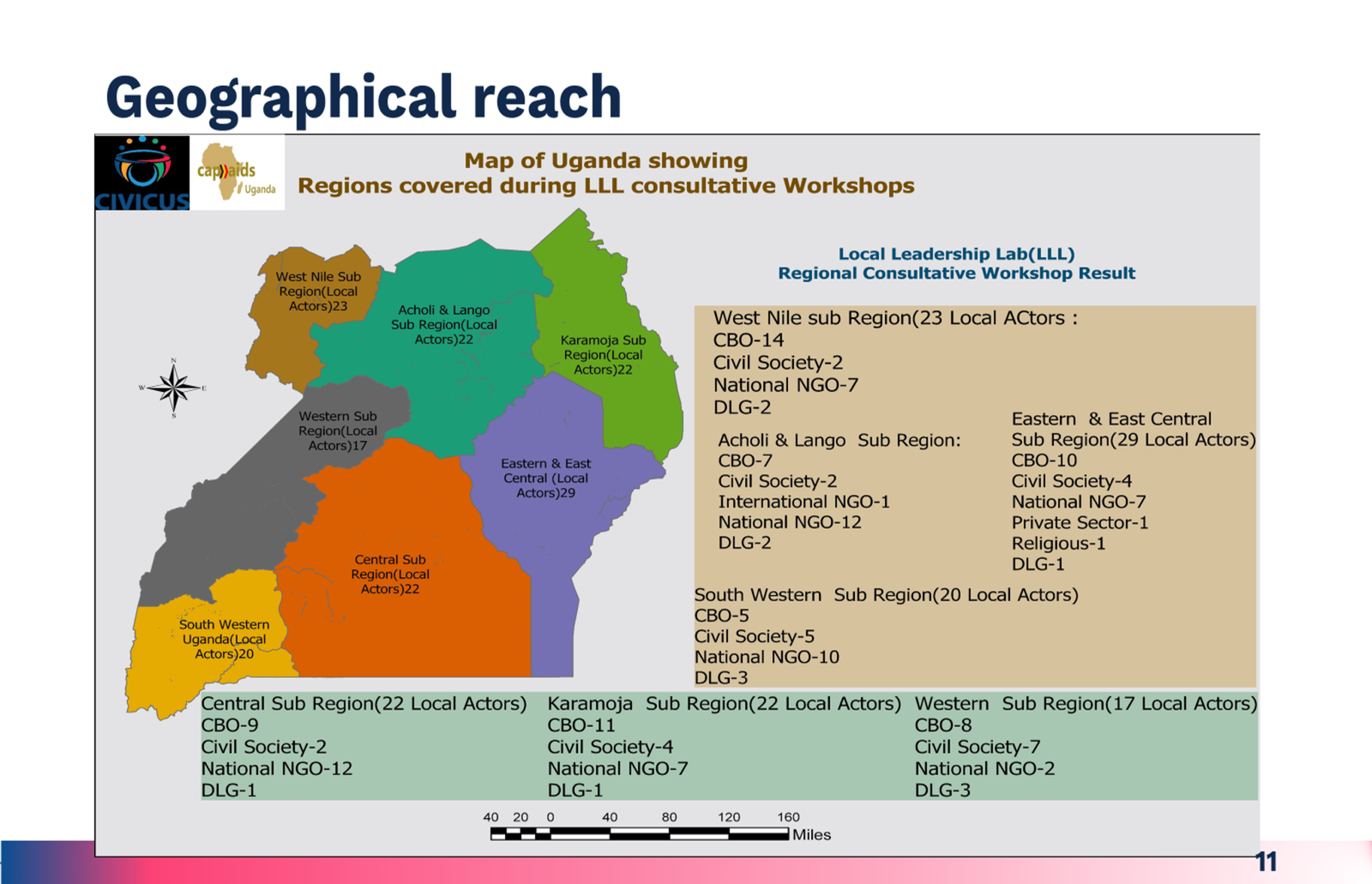
From Kotido in the North East to Kasese in the West, Arua in the North-West to Mbale and Bugweri in the East — the Local Leadership Lab touched every corner of Uganda's civil society landscape.

LLL Geographical Reach Map of Uganda

LLL Geographical Reach · Uganda 2024–2025 · CAPAIDS Uganda × CIVICUS

07 — Stories of Change

Voices from the Sub-Regions of Uganda

These are not case studies. These are the lived experiences of communities and organisations who dared to speak — and were finally heard.

Moroto DistrictKaramoja
Karamoja Sub-Region

First Time Truly Heard: The Moroto Moment

When a Moroto District officer remarked that this was "the first time local leaders were truly heard," it crystallised everything wrong with conventional development. In Karamoja — Uganda's most marginalised region — RIAM RIAM and NAROWA co-convened sessions that surfaced urgent needs: from healthcare access to economic inclusion for communities long treated as aid recipients rather than development agents.

"The best person with the right diagnosis is one facing the challenge — this is why the language and actions have to shift to Localisation."— Albert Talemwa, ED LOSCO, Kigezi
Lira Sisters of HopeAcholi & Lango
Acholi & Lango Sub-Region

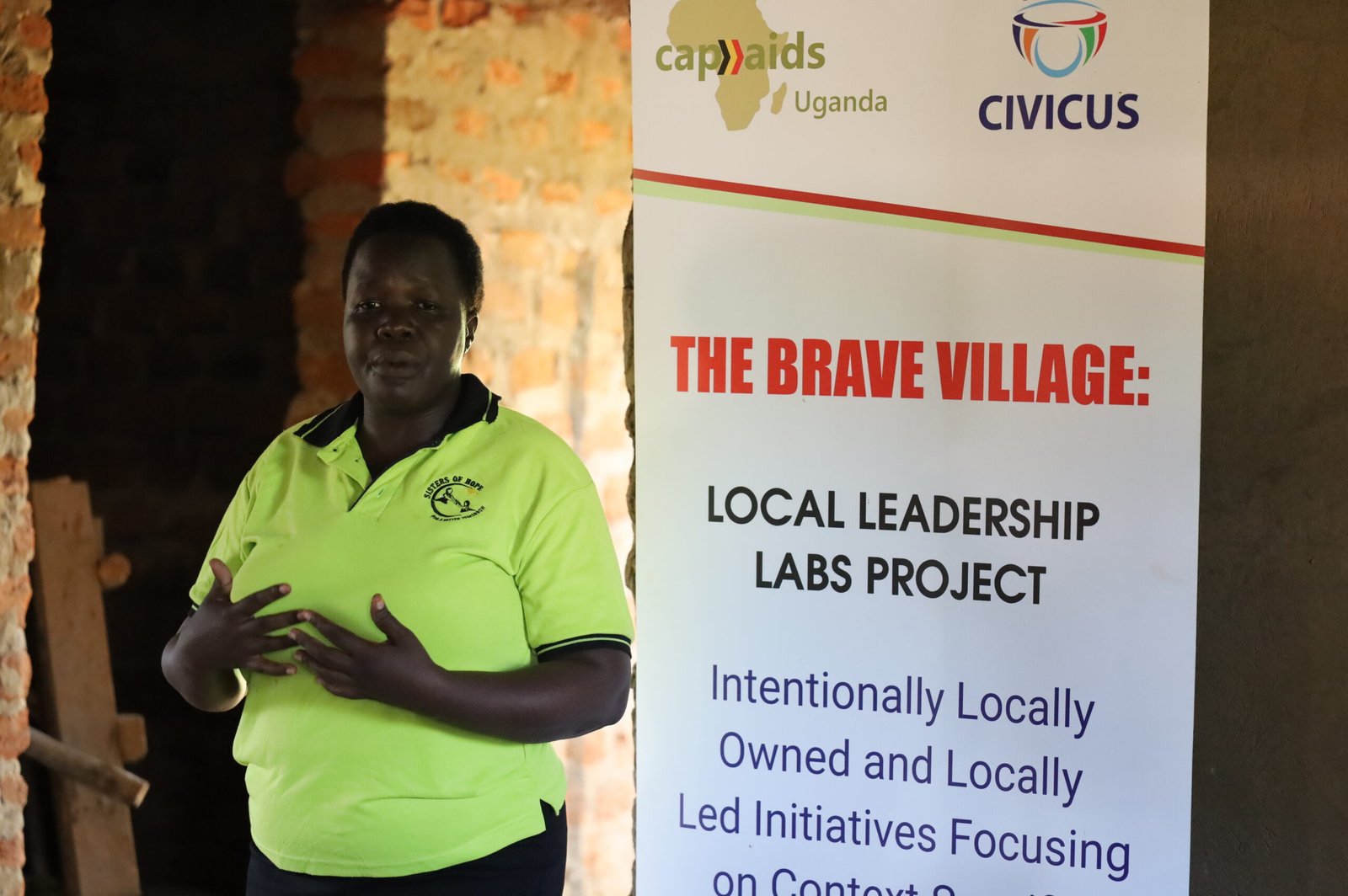
Sisters of Hope: From Invisible to Empowered

Before the LLL project, Sisters of Hope in Lira City had never received formal financial support. The Local Leadership Lab's co-creation phase was their first engagement — and it transformed them. With CAPAIDS' backing, they opened a bank account, strengthened their systems and for the first time, found confidence in their own work and visibility in Uganda's civil society landscape.

"The support from CAPAIDS was the first financial support our organisation had ever received. It helped us believe in ourselves."— Sisters of Hope, Lira City
West Nile LLLAlbertine Region
Hoima — The Oil City (Western)

Communities Designing Their Own Health Systems

At the co-creation session in Arua, local communities identified access to healthcare as their most pressing challenge. Rather than prescribe a solution, the LLL process invited them to design one. The result: a community-led health accountability and attendance monitoring system — entirely locally conceived, owned, and operationally driven. "We had never thought of coming together as a community to talk about our pressing issues," said one Youth Councillor. "Today we are privileged to have identified a common problem together."

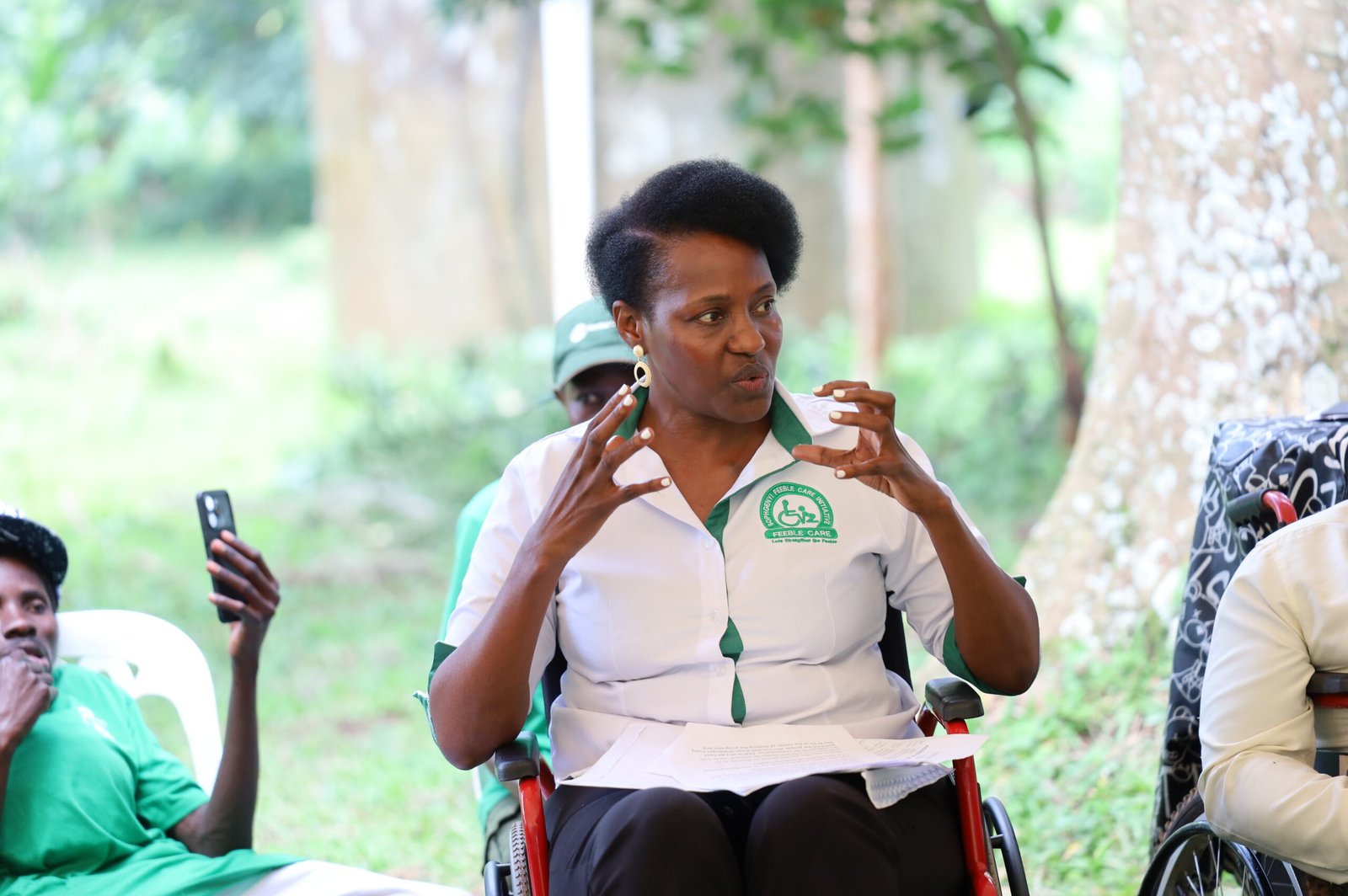
"We are changing the narrative; for a long time, decisions about PWDs have always been left out. The LLL project has demonstrated that voices of the most vulnerable can be heard."— Sophie, ED Feeble Care, Hoima
Central Uganda CODICentral Uganda
Central Sub-Region — Luwero & Wakiso

Breaking Compliance Barriers for CBOs

John Segujja of CODI in Central Uganda captured the frustration of countless local actors: compliance conundrums, donor suspicion and the constant elimination of grassroots organisations before they can even apply. The LLL provided CBOs like CODI with visibility, a credible evidence base and a collective platform to advocate for systemic change.

"These findings are a true picture of the realities on ground. Local actors dealing with Governance & Human Rights are treated with suspicion all the time."— John Segujja, CODI, Central Uganda
Kigezi LOSCOSouth Western
South Western — Kigezi Region

Direct Dialogue Between Communities & Duty Bearers

In Kigezi, the LLL co-creation session created something rare: a space where community members could speak directly to local government officials, and where leaders provided public commitments in response. This accountability dynamic — communities holding duty bearers to account in real-time — demonstrated the transformative potential of locally led processes.

"This is the first time an NGO has consulted us on our issues. Usually they only come to fix our problems and disappear."— Chairman LC I, Kakungu Village, Kigezi
Wilmat Development FoundationBusoga
Eastern Sub-Region — Busoga, Bugweri

Tools, Trust & Local Solutions

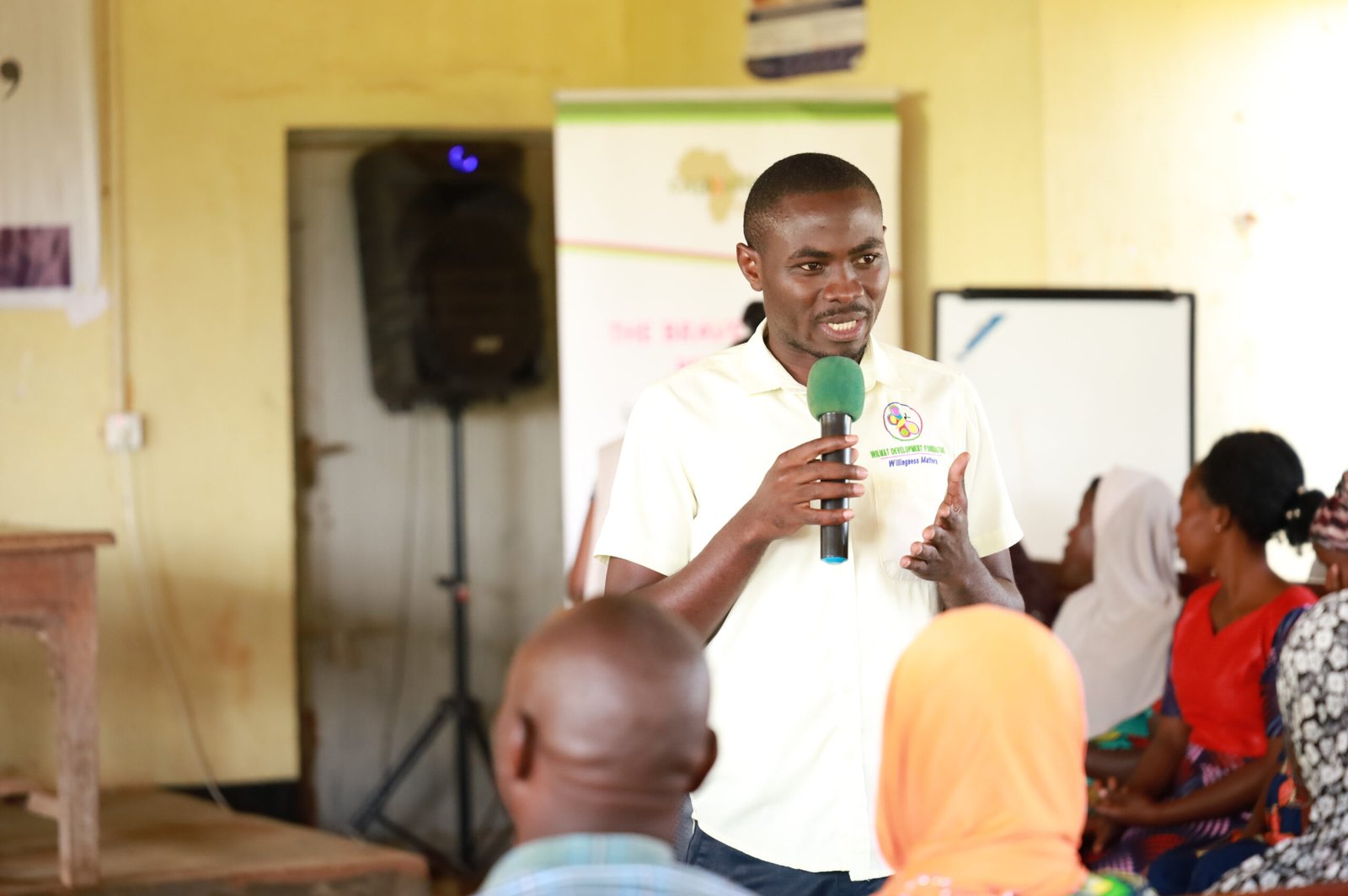
Wilmat Development Foundation, based in Bugweri in the Busoga sub-region, participated as one of the 14 co-conveners in the LLL Ideation Phase. Their experience reinforced a central truth: that communities do not lack the will or the wisdom to drive their own development — they lack the tools, resources and recognition to do so.

"Communities are at their best if empowered and given the right tools to deliver locally-led approaches with local resources and solutions."— Matte Jockas, Team Leader, Wilmat Development Foundation
The future of locally led development
The Road Ahead

From Ecosystem to
Movement

What ultimately emerged from the Local Leadership Lab is not a completed project — it is the foundations of a living ecosystem. Last-mile actors across Uganda are moving from being treated as sources of information to becoming active designers and leaders of their own development trajectories. The Local Leadership Consortium is forming. The prototypes are being tested. The voices have been heard. Now it is time for funders, policymakers and international actors to respond.

Download the Report ↗