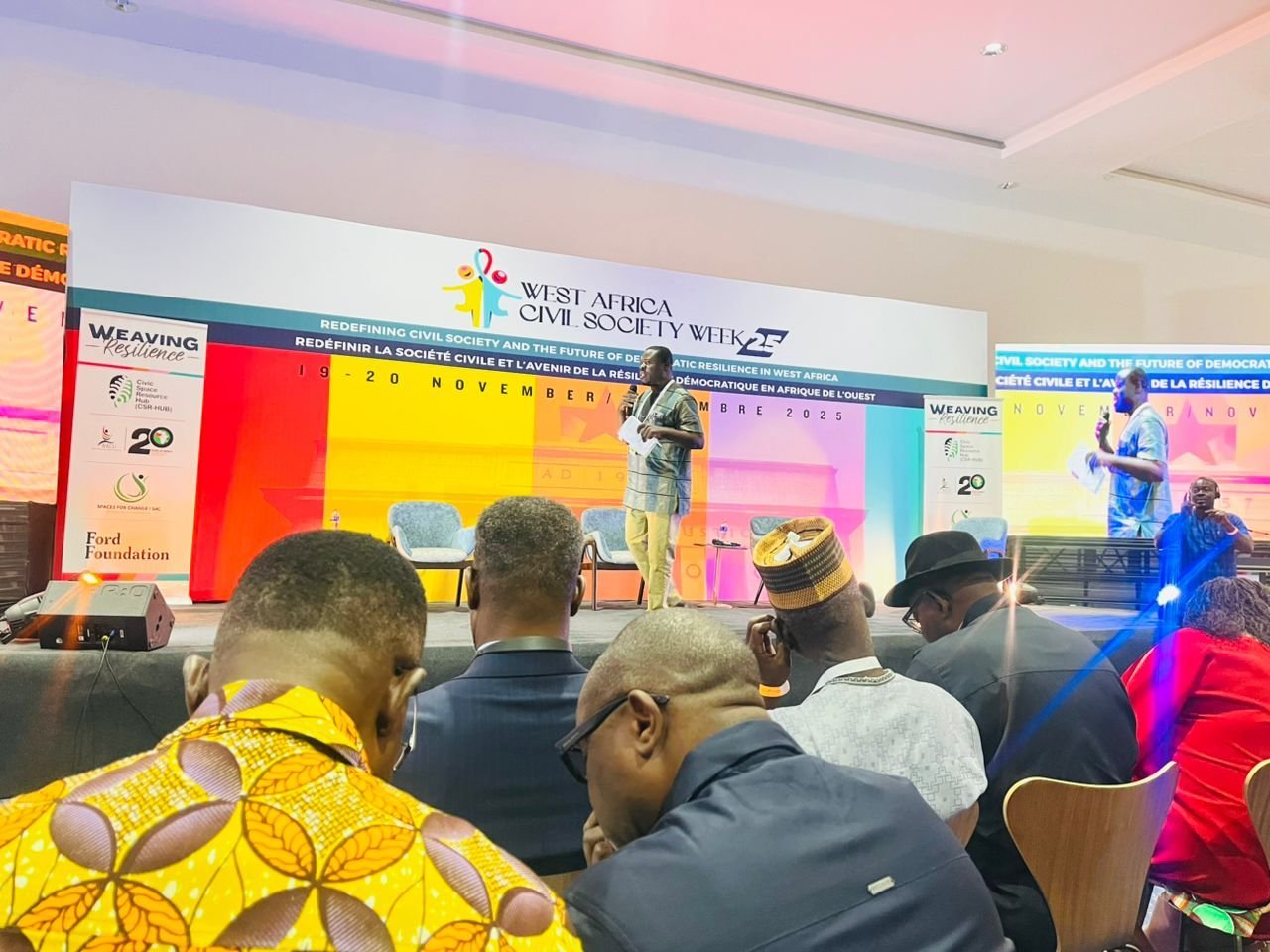
On 20 November 2025, CAPAIDS Uganda's Executive Director, Naomi Ayot Oyaro, joined civil society leaders, practitioners, and advocates from across the continent at the West Africa Civil Society Week 2025 (#WACSW2025) — a landmark convening dedicated to strengthening civil society's role in a rapidly shifting global order.
We were honoured to celebrate alongside Dr. Nana Asantewaa Afadzinu and her colleagues the tremendous contribution of West Africa's civil society in transforming lives, building last-mile humanitarian capacities, and championing the localisation agenda. Naomi's presence at the event reflects our commitment to learning from and contributing to pan-African conversations on development, democracy, and decolonisation.
01 Opening Salvo — Democracy Cannot Survive Without Civil Society
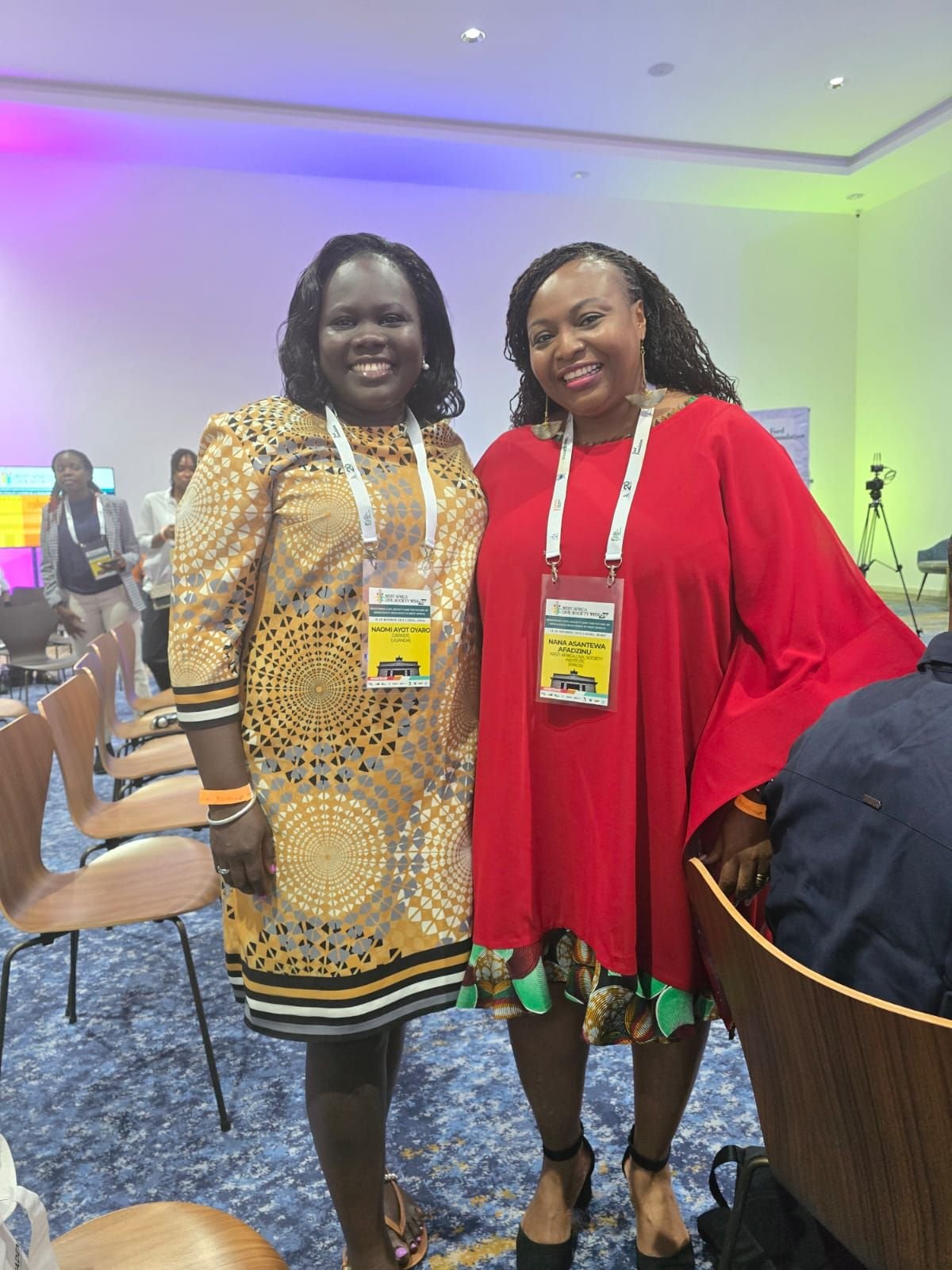
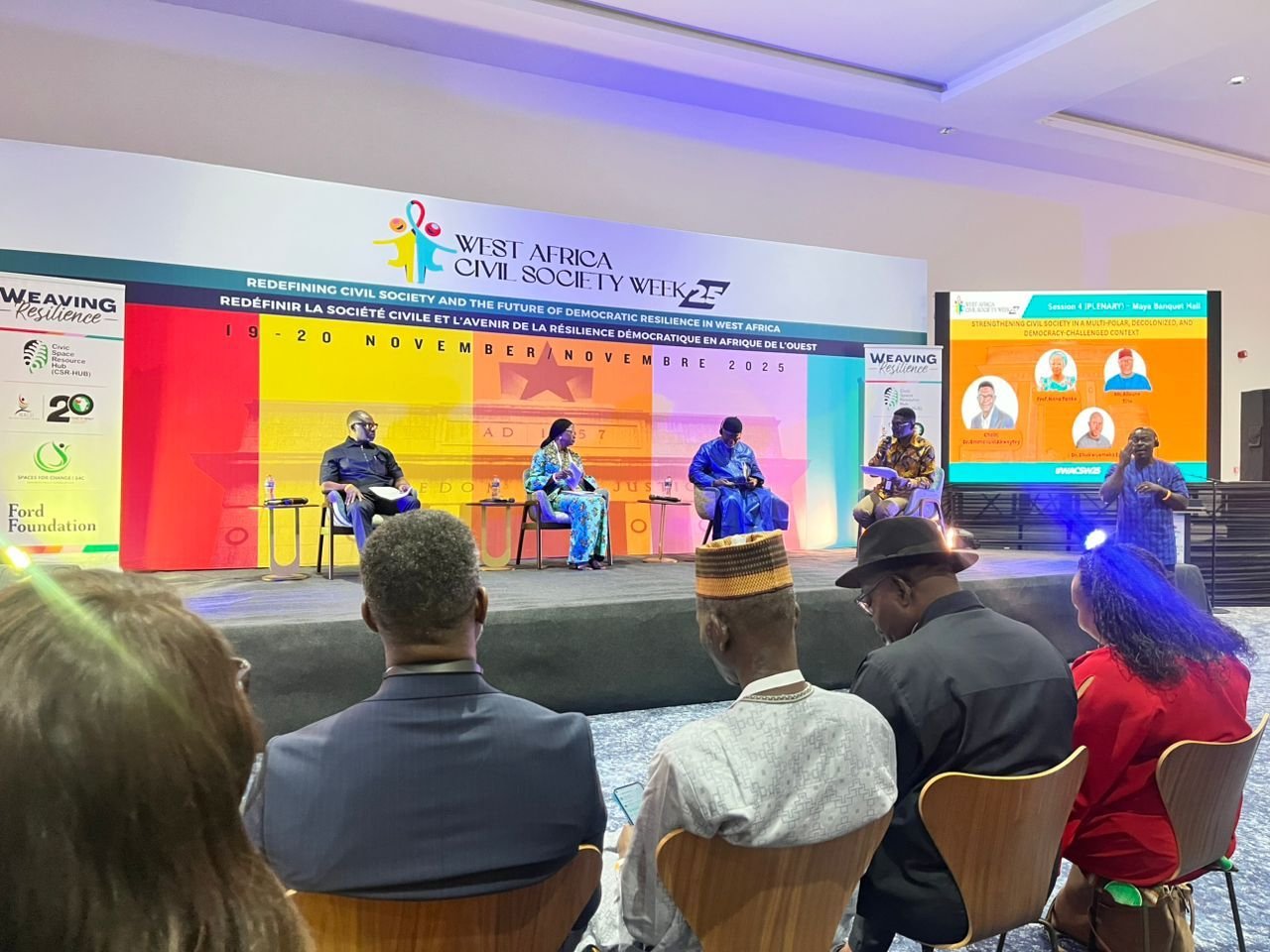
Day II of the West Africa Civil Society Week opened with a session titled "Strengthening Civil Society in a Multipolar, Decolonized and Democracy-Challenged Context" — a title that set the tone for everything that followed.
The session was anchored by a keynote from Dr. Emmanuel Akwetey, whose opening statement immediately cut to the heart of the matter:
The statement was not rhetorical. It was a call to action — a reminder that democratic health and the vitality of civil society are inseparable. Where civil society is weak, democracy is fragile. Where it is strong, communities hold power to account.
02 CAPAIDS at the Table — Naomi Ayot Oyaro Represents
For CAPAIDS Uganda, seeing Naomi Ayot Oyaro in the room was a moment of pride — and of purpose. Our work at CAPAIDS is rooted in the belief that development must be led by the people it is meant to serve. That conviction aligns deeply with the spirit of WACSW2025.
Naomi's participation was not merely symbolic. It was a statement: that East African civil society organisations are active contributors to the broader African conversation on localisation, decolonisation, and community-led change — not passive recipients of externally driven agendas.
03 The Decolonization Imperative — Voices from the Floor
The conversations deepened through the afternoon. Two voices in particular shaped the intellectual energy of the day.
Decolonization begins with us — by identifying our niche as civil society, investing in our own institutional capacities, and building the rapport that keeps us relevant to the communities we serve.
Civil society cannot afford to be onlookers. We must engage with the state, especially as governments interact with global powers. Our strength must always flow from the grassroots.
Together, these messages form a coherent vision: civil society's legitimacy does not come from international recognition or donor approval — it comes from its rootedness in the common person and grassroots communities.
🌍 Three Pillars of Civil Society Decolonization — As Discussed at WACSW2025
- Know your niche: Civil society must be clear on what it uniquely offers — the state, the private sector, and international bodies cannot replace it.
- Invest inward: Institutional capacity-building is not a luxury — it is the foundation from which sustainable advocacy is launched.
- Engage the state boldly: As African governments navigate complex geopolitical relationships with China, Russia, and Western powers, civil society must be at the table — not watching from the margins.
04 What This Means for CAPAIDS Uganda's Work
At CAPAIDS, the conversations at WACSW2025 are not abstract — they resonate directly with our Local Leadership Labs, our community-based programming, and our advocacy for a development sector that is accountable to the people it serves.
The emphasis on institutional self-investment, grassroots legitimacy, and state engagement mirrors the framework we apply in our work across Uganda. Strengthening civil society is not a West African challenge or an East African challenge — it is a pan-African imperative.