The Charter4Change (C4C) Annual Dialogue Uganda 2025 brought together humanitarian INGOs, government representatives, and local actors in a renewed call to action — grounded in accountability, power-sharing, and the urgent imperative of locally led response. CAPAIDS Uganda was proud to play an active advisory and representational role throughout the event.
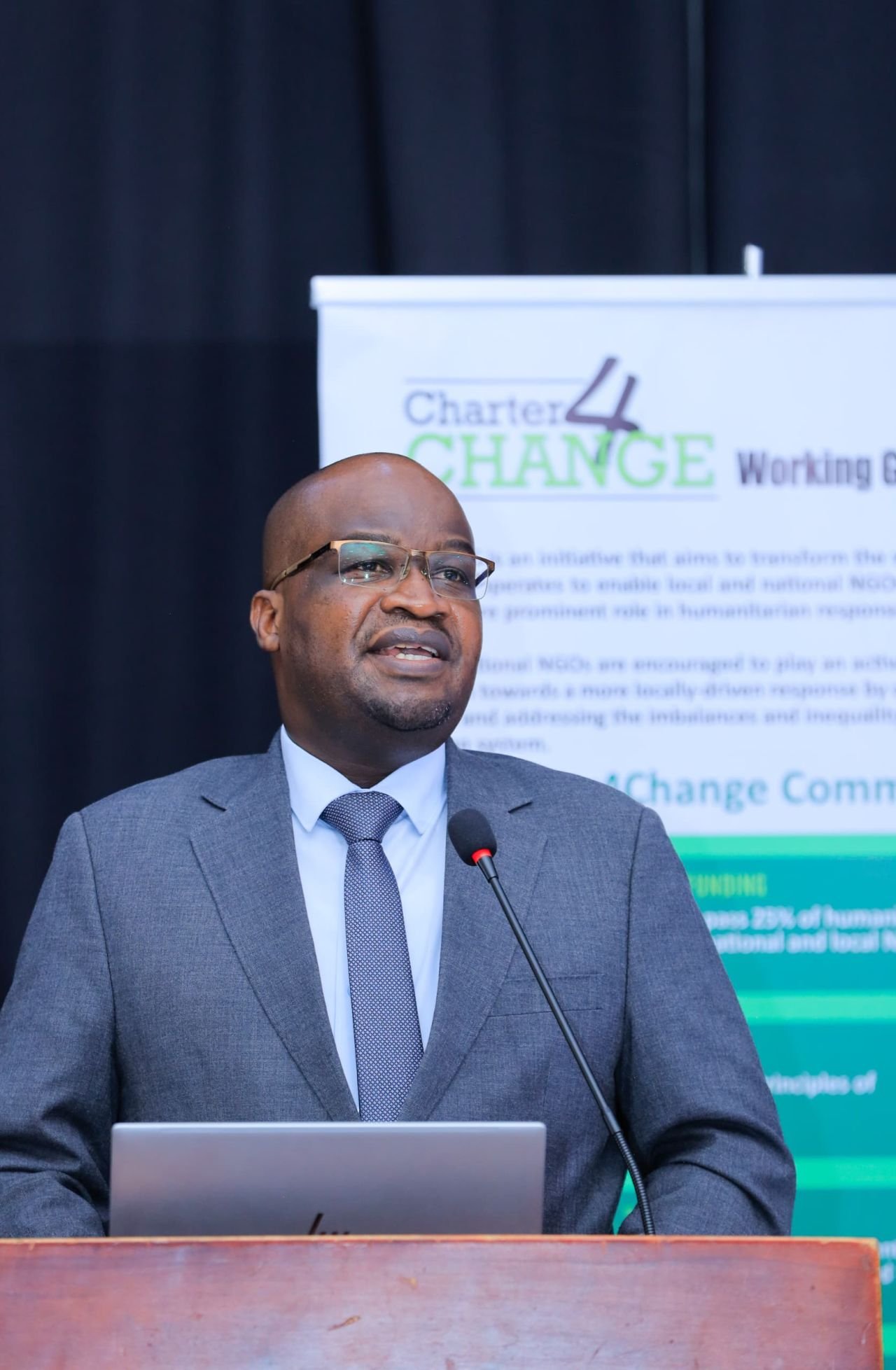
Dr. Okello reaffirmed government's evolving role — not merely as a regulator, but as an enabler creating space for NGOs to effectively deliver and thrive. He emphasised that localisation is no longer just a policy preference, but a clear necessity, grounded in the deliberate shift of leadership and decision-making to Local Actors (LAs).
He highlighted Uganda's demonstrated global leadership in advancing localisation, notably the country's internationally recognised progressive refugee response. As a significant milestone, he shared that the Office of the Prime Minister Uganda (OPM) has developed a National Localisation Strategy, currently under review by the relevant line ministry.
Dr. Okello further pointed to government-supported initiatives including the mapping and planning of Local and National Actors, all aimed at strengthening a more sustainable, locally led, and resilient humanitarian system.
"Localization is a journey rather than a destination — Local Actors' voices must not only be heard, but translated into action and reflected in policy outcomes."
— Dr. Stephen Okello, Secretary, NGO BureauHe challenged signatories to go further — deepening accountability, increasing the share of resources reaching Local Actors, and promoting equitable and meaningful power sharing.
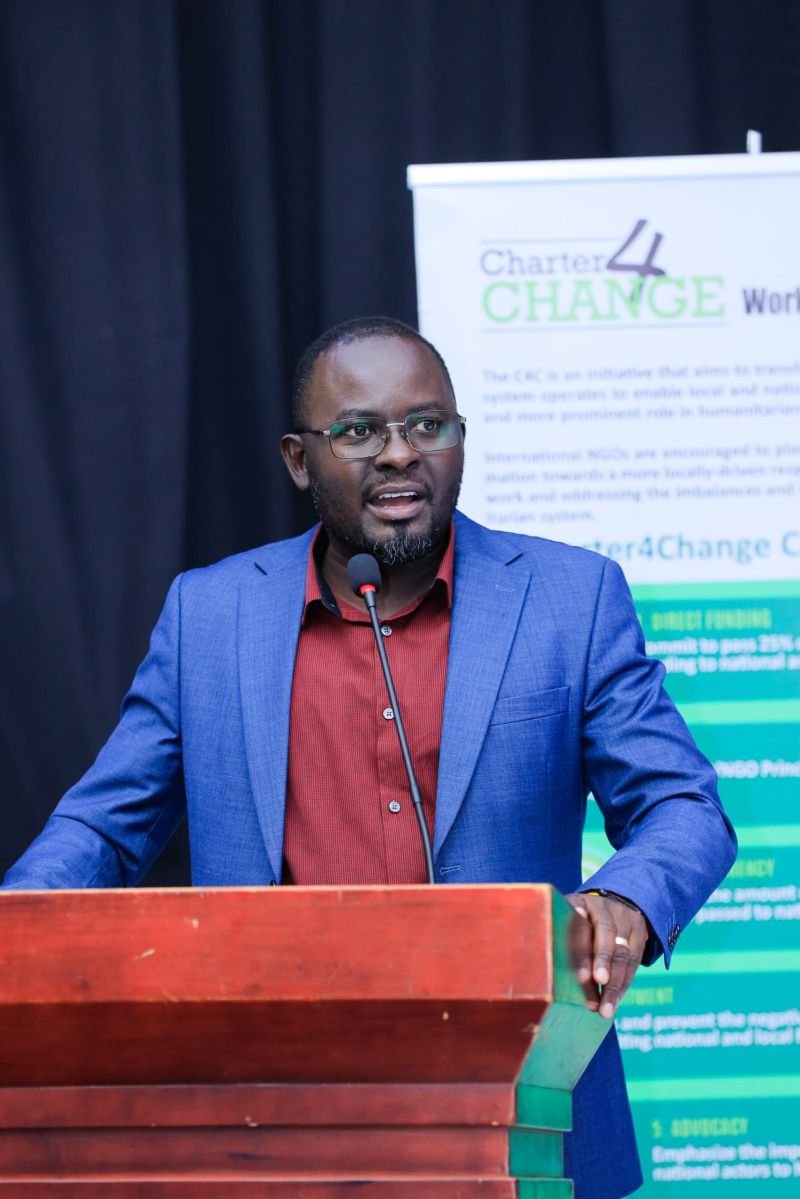
Mr. Francis Shanty Odokorach delivered a compelling keynote highlighting the critical role of signatories as enablers of localisation. He commended the Charter4Change for its strong leadership and the impactful work being done, while acknowledging the commitment of both signatories and government in advancing the agenda.
He noted a positive shift in the operating environment, emphasising that the NGO Bureau is now working as a partner to NGOs, rather than merely a regulator. Mr. Odokorach reaffirmed that the C4C exists to intentionally shift power from those who control resources to Local and National Actors — a need that became even more evident during the COVID-19 response.
He underscored the importance of better coordination of capacity-strengthening approaches for Local Actors, called for stronger engagement with government as a key stakeholder, and encouraged signatories to actively promote the participation of Local Actors at global platforms and in the signing of international pledges.
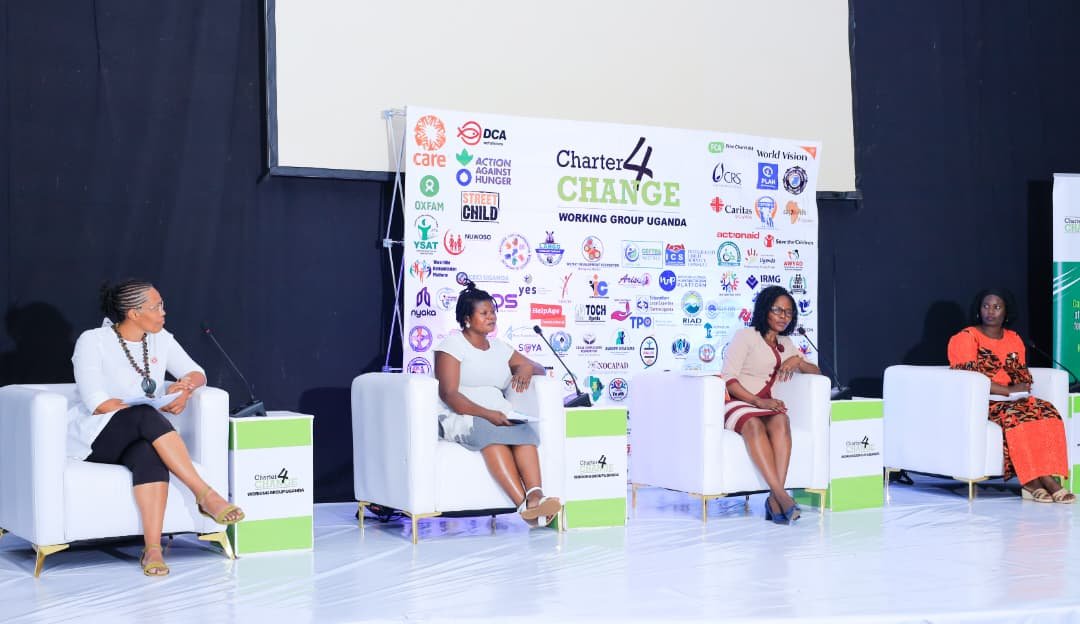
HINGO Renewed Commitments — Charter for Change
- Deepening accountability to Local and National Actors
- Broadening resource mobilisation strategies for LAs
- Meaningfully working towards fully realising all eight C4C commitments
- Promoting LA participation at global platforms and pledging events
- Strengthening coordination of capacity-building approaches
The Humanitarian INGOs (HINGOs) reiterated their commitment to the eight Charter for Change commitments, with a renewed focus on deepening accountability, broadening resource mobilisation strategies, and working more meaningfully towards fully realising these commitments in practice.
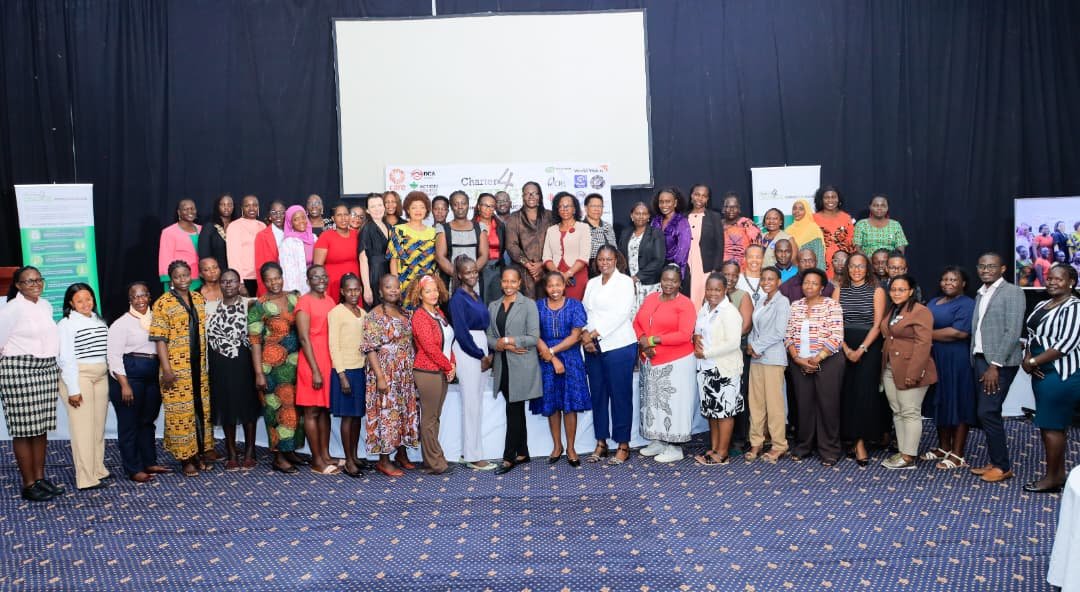
As CAPAIDS Uganda, we remain proud to continue providing strategic guidance to the Charter4Change Working Group Uganda, and to have played an active role in shaping and supporting the Annual Dialogue through our dedicated representation and ongoing advisory contribution. We reaffirm our commitment to ensuring that local actors lead, and that the systems around them are built to support — not sideline — their voices.